Expanding a business is an exciting milestone for any founder.
You may be planning to enter a new city, introduce additional services, expand your manufacturing capabilities, hire more employees or reach customers in international markets.
Your business may already have a reliable product, an experienced team and a growing customer base.
But before increasing operational expenses and committing significant resources to expansion, there is an important question every founder should ask:
Is our digital presence strong enough to support the next stage of business growth?
Many businesses begin expanding before establishing a reliable online presence. They invest in infrastructure, recruitment, additional offices and operational capabilities but continue depending heavily on referrals, personal connections and traditional sales activities.
When they enter a new market, they discover that potential customers do not know their brand.
Their website receives limited relevant traffic. Their competitors dominate Google search results. Their sales team struggles to establish credibility with unfamiliar prospects, and generating new business enquiries becomes more expensive than expected.
The problem is not necessarily the quality of their products or services.
The business may simply lack the digital foundation required to reach, educate and convert new customers.
Building a strong digital presence before expansion can help founders address these challenges. It allows businesses to establish credibility, understand market demand, develop customer acquisition channels and prepare their marketing infrastructure before increasing operational commitments.
This guide explains how founders can build that foundation, what they should prioritise, how to measure digital readiness and which mistakes to avoid before expanding their business.
1. What Does a Strong Digital Presence Actually Mean?
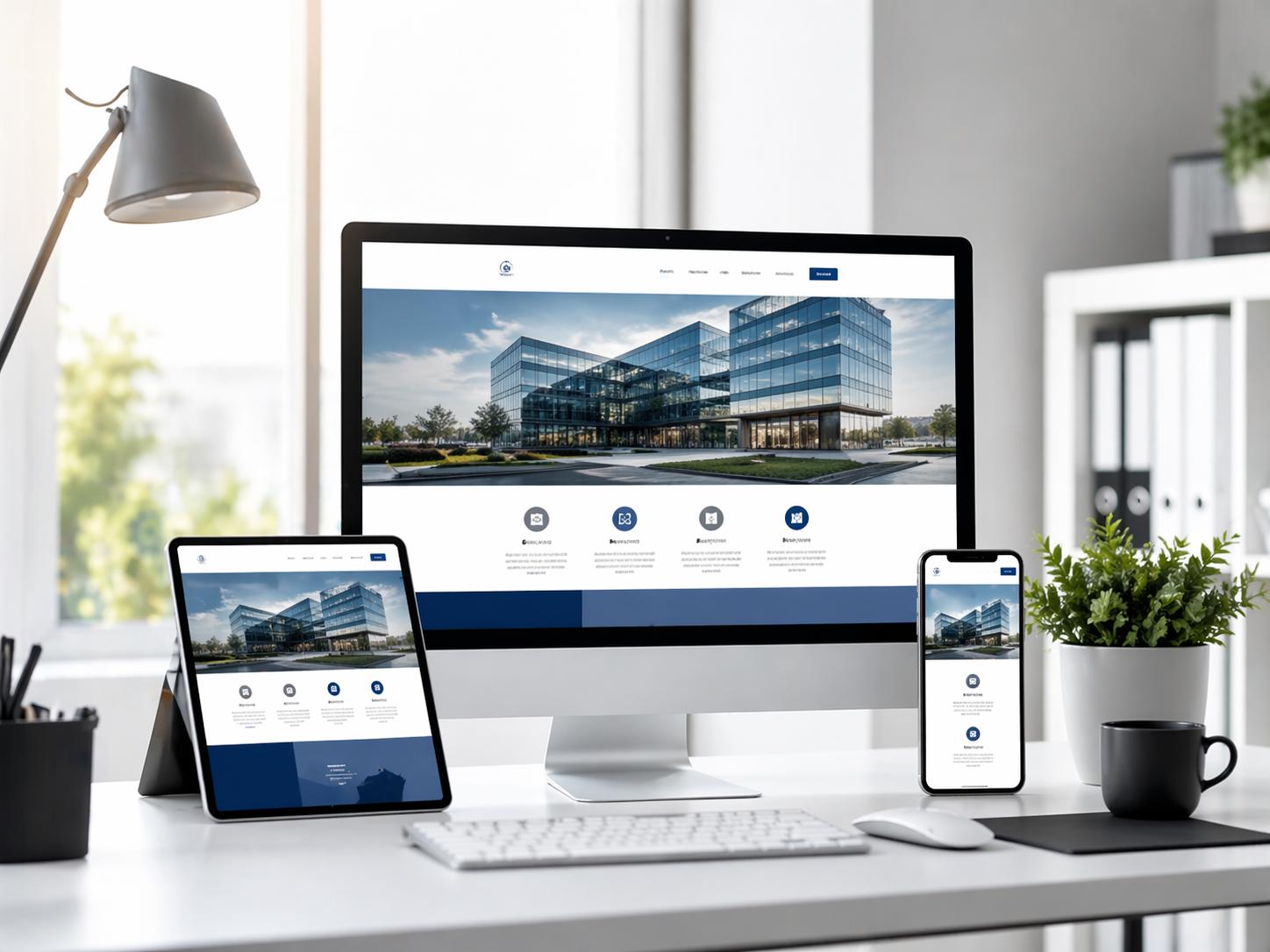
A strong digital presence is more than having a website, a LinkedIn company page or an active Instagram account.
It is the combined ability of a business to be discovered, understood, trusted and contacted by relevant customers through digital channels.
When potential customers search for your company, products or services, they should be able to find accurate and useful information.
When they visit your website, they should understand what your business offers.
When they compare your company with competitors, they should find credible reasons to consider your services.
When they are ready to enquire, the process should be straightforward.
The key components of a strong digital presence
| Component | Business purpose |
|---|---|
| Professional website | Communicates offerings and generates enquiries |
| Search engine visibility | Helps potential customers discover the business |
| Brand identity | Builds recognition and consistency |
| Content marketing | Educates customers and supports decisions |
| Social media presence | Supports communication and engagement |
| Online reputation | Helps establish customer confidence |
| Digital advertising | Supports targeted customer acquisition |
| CRM and lead tracking | Organises enquiries and sales opportunities |
| Analytics | Measures performance and identifies improvements |
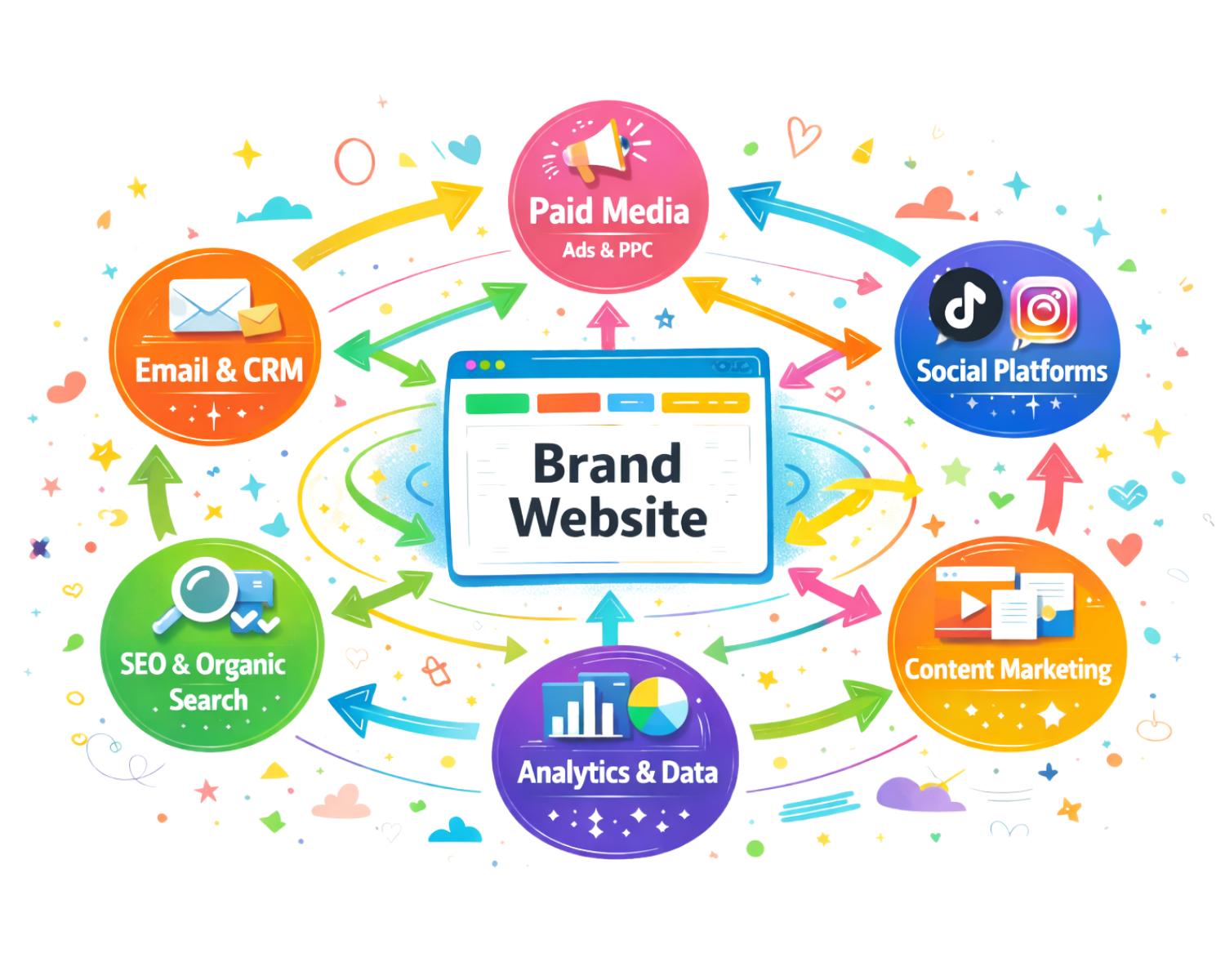
These components should work together rather than operate as disconnected marketing activities.
A business does not need to dominate every digital platform. It needs to establish a meaningful presence wherever its potential customers research, compare and purchase products or services.
2. Why Founders Should Build Their Digital Presence Before Expansion

Business expansion introduces additional responsibilities and financial commitments.
A company may need more employees, larger facilities, additional equipment, new suppliers or greater working capital.
If customer acquisition does not grow alongside operational capacity, the business may experience financial pressure.
Benefits of developing a digital presence before expansion
-
Establish brand recognition before entering new markets.
-
Understand what potential customers are searching for.
-
Identify commercially relevant market opportunities.
-
Build an additional source of customer enquiries.
-
Improve credibility with unfamiliar prospects.
-
Support sales teams with useful digital resources.
-
Test customer demand before committing larger investments.
-
Identify weaknesses in existing customer acquisition processes.
-
Prepare marketing systems that can support additional demand.
Example: Expanding a professional services business
Consider a company offering corporate compliance services in Delhi.
The founder wants to expand into Mumbai, Pune and Bengaluru.
Instead of immediately opening offices in all three locations, the company could first research customer requirements, evaluate online competition, develop relevant service information and test suitable lead generation campaigns.
If the business can legally and operationally serve those markets remotely, this approach may help validate demand before making larger physical investments.
Digital marketing cannot eliminate expansion risk, but it can provide additional evidence for better business decisions.
3. Start by Defining Your Expansion Objectives

Before investing in digital marketing, founders should understand what type of expansion they are planning.
Different growth objectives require different digital strategies.
Geographic expansion
Entering additional cities, states or countries.
Service expansion
Introducing complementary services to existing or new customers.
Product expansion
Launching new product categories or product ranges.
Customer segment expansion
Moving from small businesses to enterprise customers, consumers to B2B customers or local buyers to international buyers.
Distribution expansion
Reaching new dealers, distributors, wholesalers or institutional buyers.
Questions founders should answer
-
Which markets do we want to enter?
-
Which products or services will we prioritise?
-
Who are our ideal customers in those markets?
-
What problems are those customers trying to solve?
-
What makes our business competitive?
-
Can we fulfil the additional demand?
-
What acquisition costs can our business support?
-
What evidence would justify further expansion?
Answering these questions helps prevent the business from investing in marketing activities that do not support its actual growth objectives.
4. Audit Your Existing Digital Presence
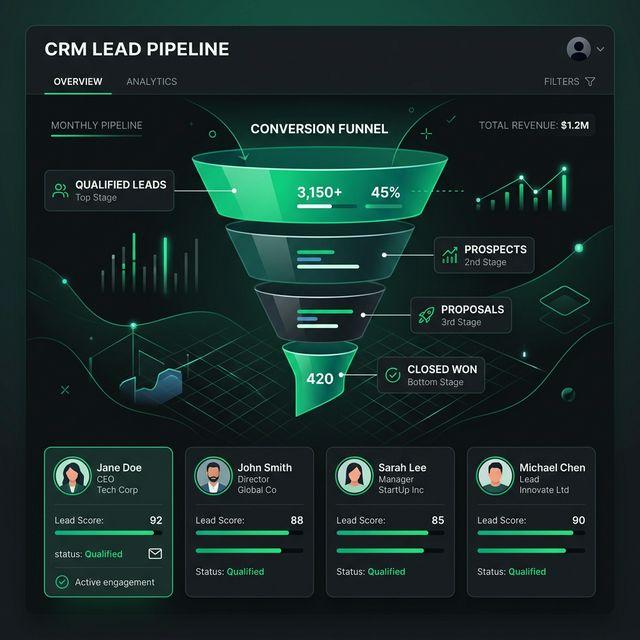
Before building something new, understand what your business already has.
Many established companies possess useful digital assets but have not developed them systematically.
Start with a website audit
Check whether:
-
Important products and services have dedicated pages.
-
Website content is accurate and updated.
-
The website works properly on mobile devices.
-
Visitors can easily find contact information.
-
Enquiry forms function correctly.
-
Important pages can be accessed by search engines.
-
Navigation supports customer requirements.
-
Website performance is acceptable.
-
Relevant customer questions are answered.
Review your search visibility
Understand which queries currently generate impressions and clicks, which pages attract organic visitors and whether important commercial searches are being addressed.
Review your brand presence
Search for your business name and assess the accuracy of publicly available information.
Review your customer acquisition data
Identify where existing enquiries originate, which channels generate suitable prospects and whether customer acquisition costs can be measured.
Establish a baseline
| Metric | Current performance | Expansion requirement |
|---|---|---|
| Organic website traffic | Record existing data | Relevant market visibility |
| Qualified monthly enquiries | Establish baseline | Additional suitable prospects |
| Website conversion rate | Measure accurately | Improve enquiry efficiency |
| Commercial keyword visibility | Review current positions | Target relevant opportunities |
| Customer acquisition cost | Calculate where possible | Financially sustainable acquisition |
| Lead response time | Review CRM data | Capacity for additional enquiries |
The purpose of this audit is to identify the gap between your current digital capabilities and the capabilities required for expansion.
5. Understand Your Ideal Customers Before Targeting New Markets

One of the biggest mistakes founders make is assuming that customers in a new market will behave exactly like existing customers.
Customer requirements, purchasing processes, budgets and expectations may differ.
Build an ideal customer profile
Your ideal customer profile should identify:
-
Customer industry.
-
Business size.
-
Geographic location.
-
Typical purchasing requirements.
-
Common business challenges.
-
Budget considerations.
-
Decision-making authority.
-
Buying process.
-
Reasons for choosing a supplier.
-
Common objections.
Example: Industrial equipment manufacturer
An industrial equipment manufacturer may target several types of buyers:
| Customer segment | Primary requirements |
|---|---|
| Small manufacturers | Affordability and operational reliability |
| Large industrial companies | Capacity, compliance and technical specifications |
| Distributors | Margins, availability and supply consistency |
| Government contractors | Eligibility, documentation and procurement requirements |
| International buyers | Export capability, certifications and logistics |
Creating one generic marketing message for all these audiences may not address their different requirements.
A strong digital presence should communicate relevant information to each important customer segment without unnecessarily duplicating content.
6. Research Online Demand Before Entering a New Market

Founders should use digital research to understand whether their target markets present meaningful commercial opportunities.
Search data can help identify how potential customers describe their requirements and which services they actively research.
Research areas
Commercial search demand: Are potential customers searching for the products or services you provide?
Customer problems: What difficulties or questions are people researching?
Geographic demand: Which regions show relevant search activity?
Competition: Which businesses are already serving these searches?
Seasonality: Does customer interest fluctuate throughout the year?
Buying intent: Are people researching general information or actively evaluating suppliers?
Useful research tools
-
Google Search Console.
-
Google Trends.
-
Google Keyword Planner.
-
Google Analytics.
-
SEO research platforms.
-
Customer relationship management systems.
-
Existing sales and customer feedback.
Important limitation
Search volume is not the same as total market size.
Some industries depend heavily on procurement networks, direct relationships, tenders or offline communication.
Founders should combine online research with direct customer conversations, industry knowledge and financial analysis.
7. Analyse Competitors in Your Target Markets
Understanding competitors helps founders identify customer expectations and gaps in their digital strategy.
The objective is not to copy competitors.
It is to determine where your business can provide clearer information, better customer experiences or more relevant offerings.
Evaluate competitor websites
Review:
-
Product and service descriptions.
-
Website structure.
-
Commercial landing pages.
-
Customer industries served.
-
Geographic coverage.
-
Case studies.
-
Technical information.
-
Educational content.
-
Enquiry processes.
-
Online reputation.
-
Search visibility.
Example
A B2B consulting company wants to enter a new market.
Competitor research reveals that leading websites explain their service processes, estimated timelines, documentation requirements and industry experience.
The company's existing website provides only a short service description.
This indicates an opportunity to improve the information available to prospective customers.
What founders should avoid
Do not reproduce competitor content, imitate testimonials or create pages solely because another company has published them.
Use competitor research to understand customer needs and develop an original strategy.
8. Build a Professional Website That Can Support Business Expansion
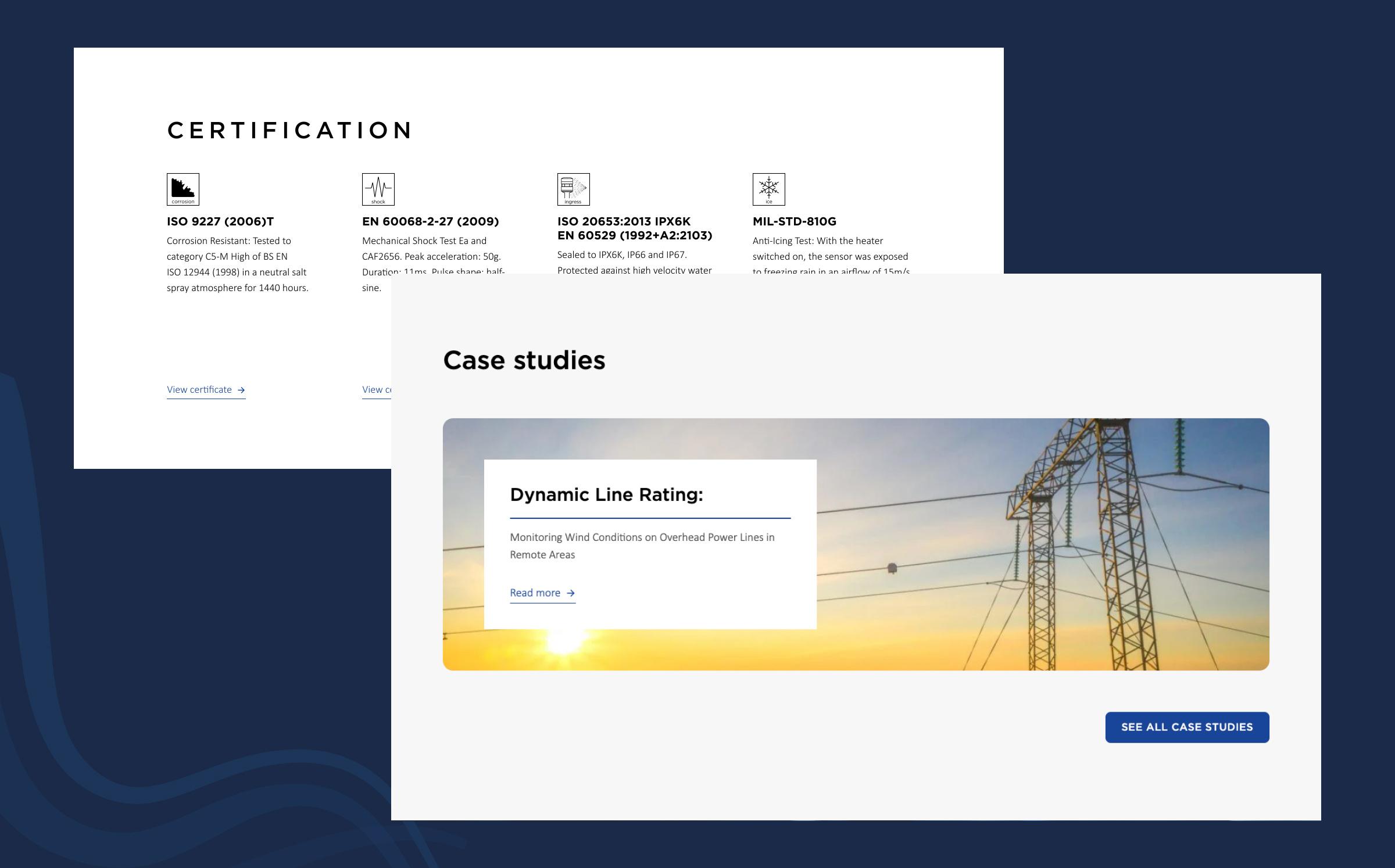
Your website is one of the digital assets over which your business can maintain direct control.
Social platforms, marketplaces and search engines are valuable channels, but their policies and visibility systems can change.
A professionally managed website provides a central destination where customers can learn about the company.
Essential website sections
-
Homepage.
-
About the company.
-
Products or services.
-
Industries served.
-
Relevant market or location information.
-
Case studies.
-
Genuine client testimonials.
-
Educational resources.
-
Frequently asked questions.
-
Contact and enquiry pages.
-
Privacy and applicable legal information.
What makes a website expansion-ready?
The ability to add products, services and categories without rebuilding the entire platform.
A logical navigation structure.
A scalable content management system.
Appropriate analytics integration.
Reliable hosting and security.
Clear mobile usability.
Well-defined indexing controls.
Flexible enquiry and CRM integrations.
Example: Manufacturing company
A manufacturer planning to expand its product portfolio should organise its website so additional categories, technical specifications and product pages can be added efficiently.
A poorly structured website may require repeated development work whenever the company introduces a new offering.
Founders should evaluate website development decisions in the context of future business requirements, not only current design preferences.
9. Establish a Scalable Website Architecture
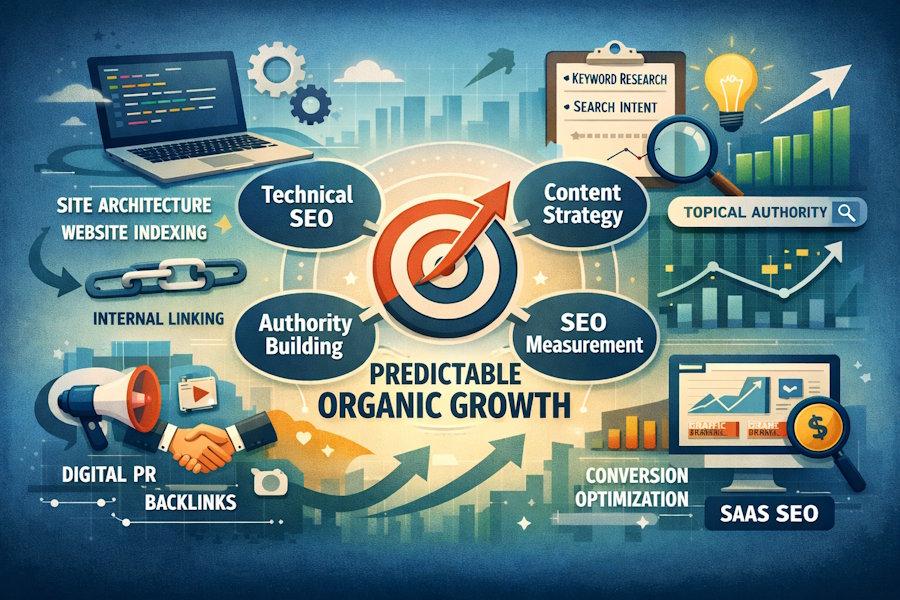
Website architecture determines how pages are organised and connected.
A clear architecture becomes increasingly important as the business introduces more products, services and markets.
Example structure for a B2B service business
Homepage
-
Services
-
Core Service A
-
Core Service B
-
Core Service C
-
-
Industries
-
Manufacturing
-
Healthcare
-
Technology
-
-
Locations
-
Existing Market
-
New Market A
-
New Market B
-
-
Case Studies
-
Resources
-
Contact
Example structure for a manufacturing company
Homepage
-
Product Categories
-
Category A
-
Category B
-
Category C
-
-
Industries and Applications
-
Manufacturing Capabilities
-
Quality and Certifications
-
Technical Resources
-
Distribution and Export
-
Request for Quotation
Why structure matters
A logical architecture helps customers discover relevant information.
It also supports internal linking, content management and search engine discovery.
Avoid unnecessary page creation
Not every keyword requires a separate page.
Closely related searches may be served by one comprehensive page.
Creating many overlapping pages can make website management more difficult and reduce clarity about which page should satisfy a particular search intent.
10. Build Your SEO Foundation Before Expanding
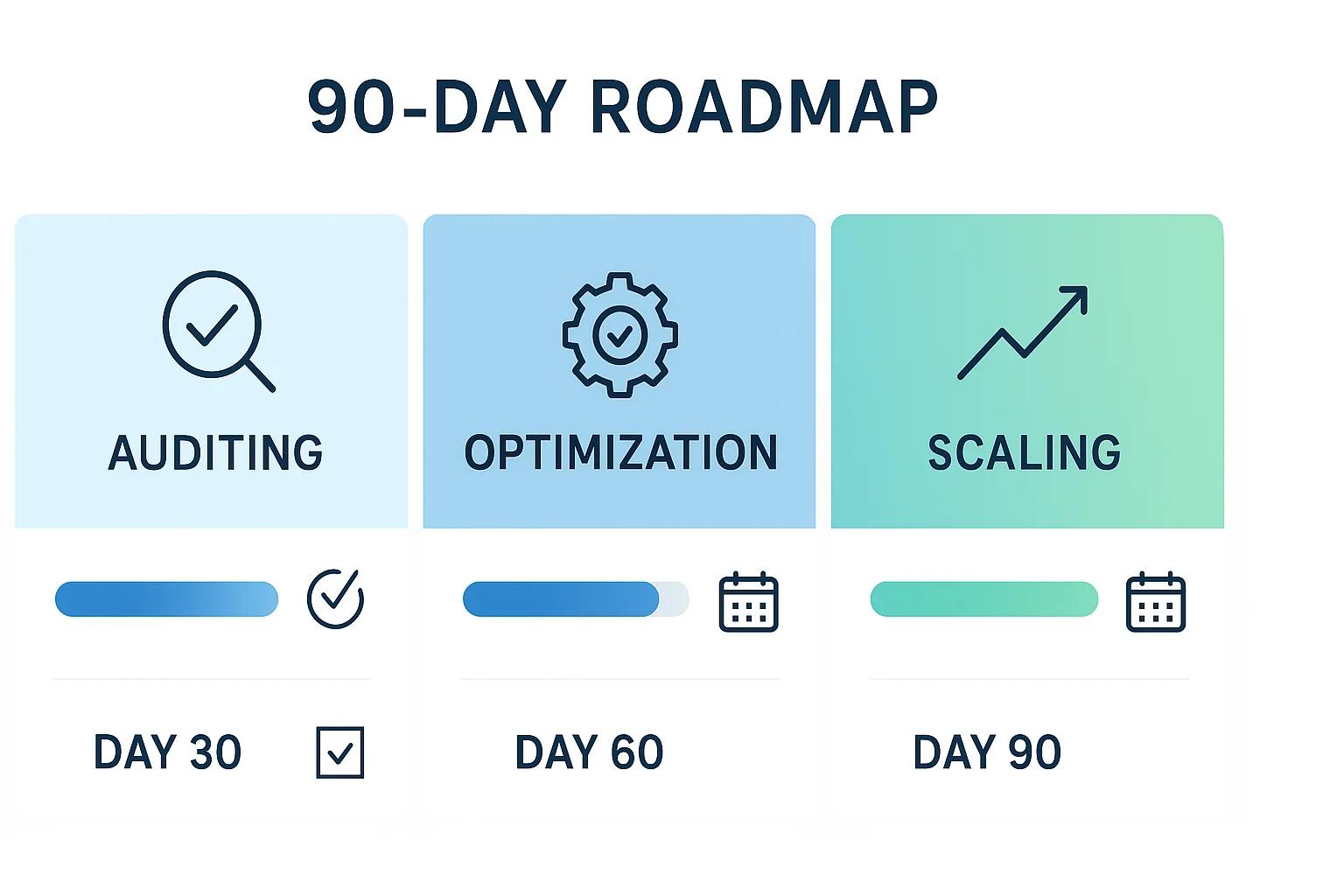
SEO should be considered early in the expansion planning process.
A company entering new markets with an established website foundation may be better positioned to communicate its offerings than a company starting from an outdated or technically problematic website.
Technical SEO
Review crawlability, indexing, canonical URLs, redirects, XML sitemaps, internal linking, mobile usability and relevant website performance issues.
On-page SEO
Develop descriptive page titles, clear headings, useful content and page structures that address customer requirements.
Commercial keyword strategy
Prioritise searches related to actual products, services and purchasing needs.
Content SEO
Create helpful resources that address important customer questions and support relevant service or product pages.
Internal linking
Connect related resources, services and products in ways that help users navigate the website.
Off-page visibility
Develop appropriate opportunities for relevant brand mentions, industry exposure and editorial links.
Important expectation
SEO should not be presented as a guarantee of immediate customers.
It is an ongoing process whose results depend on market competition, website quality, implementation and search demand.
Starting before expansion allows more time to establish useful foundations and gather performance evidence.
11. Target Commercial Keywords Instead of Focusing Only on Traffic
A founder's objective is rarely to increase website visits without a commercial purpose.
For most businesses, the digital strategy should help attract people who may require the company's offerings.
Example: Industrial solar solutions company
| Search query | Likely intent |
|---|---|
| What is solar energy? | General information |
| Benefits of solar panels | Educational research |
| Industrial solar installation cost | Commercial investigation |
| Rooftop solar company for factories | Supplier evaluation |
| Commercial solar EPC contractor | Potential service requirement |
General informational content may still be useful.
However, a business planning expansion should ensure that commercially important searches receive appropriate attention.
Build a keyword-to-page map
For each important keyword group, identify:
-
Relevant customer requirement.
-
Search intent.
-
Existing or proposed page.
-
Business priority.
-
Geographic relevance.
-
Current visibility.
-
Required improvements.
This creates a more structured SEO plan and helps avoid unnecessary content duplication.
12. Develop Location-Based Visibility for Genuine Expansion Markets
Businesses expanding geographically may benefit from relevant location-specific information.
However, founders should distinguish between serving a location and simply wanting to rank for its name.
A useful location page may include
Services genuinely available in that area.
Relevant customer requirements.
Delivery or service arrangements.
Applicable regulatory considerations.
Verified regional experience, where available.
Contact and support arrangements.
Location-specific questions.
Avoid misleading practices
Do not claim to have a physical office where none exists.
Do not create fake addresses.
Do not publish fictional local testimonials.
Do not create dozens of nearly identical pages containing only substituted city names.
Google Business Profile considerations
Businesses should create and manage Google Business Profiles only where they meet applicable eligibility requirements.
A genuine service-area business may have different visibility arrangements from a business operating a physical customer-facing location.
Founders should ensure their local marketing approach accurately represents their operations.
13. Build Brand Credibility Before Reaching New Customers
Existing customers may already know your company.
Customers in a new market may have no previous relationship with your business.
They may want to verify your experience before contacting you.
Credibility-building digital assets
Company information: Explain the business, leadership and capabilities.
Case studies: Demonstrate actual customer challenges, work completed and verified outcomes.
Client testimonials: Publish genuine feedback with appropriate permission.
Certifications: Display valid and relevant certifications.
Team information: Introduce relevant leadership and specialists where appropriate.
Business processes: Explain how customers can work with your company.
Industry expertise: Publish accurate and useful resources.
Example
A healthcare equipment manufacturer approaching institutional buyers may need detailed technical documentation, quality certifications, application information and distribution capabilities.
A generic statement such as "We are the best manufacturer" provides limited decision-making value.
Credibility comes from presenting useful, verifiable information.
14. Create Content That Answers Questions Before Sales Conversations
Founders should consider content marketing as a way to help potential customers understand their options.
Many customers conduct research before speaking with a supplier.
If your website addresses important questions clearly, it may become a useful resource during that research process.
Content opportunities by customer stage
| Customer stage | Content opportunity |
|---|---|
| Problem awareness | Problem-solving articles |
| Solution research | Educational guides |
| Supplier evaluation | Service and product comparisons |
| Commercial consideration | Process, pricing and requirement guides |
| Decision-making | Case studies, testimonials and FAQs |
| Existing customer | Support and maintenance resources |
Example: Business registration consultancy
Potential customers may research:
-
Which business structure is suitable for their company?
-
What documents are required for registration?
-
How long does the process generally take?
-
What compliance responsibilities follow registration?
-
When should a company seek professional assistance?
Useful content can help answer these questions while introducing relevant professional services.
Quality matters more than publication volume
Publishing 50 generic articles does not necessarily provide more value than publishing ten carefully researched resources that address meaningful customer requirements.
Content should be accurate, original, useful and appropriately reviewed.
15. Establish a Professional Social Media Presence
Social media can support business credibility, communication, recruitment and customer discovery.
However, not every platform is equally valuable for every business.
Choose platforms according to your audience
| Platform | Potential business application |
|---|---|
| B2B services, professional networking and founder visibility | |
| Visual products, consumer brands and portfolio presentation | |
| Local businesses, communities and selected customer segments | |
| YouTube | Demonstrations, tutorials, testimonials and educational videos |
| WhatsApp Business | Customer communication and enquiry management |
What should founders publish?
Company developments.
Industry insights.
Product demonstrations.
Service explanations.
Verified client success stories.
Educational videos.
Team updates.
Answers to common customer questions.
Avoid focusing only on followers
A business with a smaller but relevant professional audience may generate more useful opportunities than a large audience with limited commercial relevance.
Evaluate social media based on its intended purpose.
16. Build the Founder's Personal Digital Presence
For many startups and B2B companies, the founder's reputation can support the company's credibility.
Potential customers may research the leadership team before entering a commercial relationship.
A professional founder presence can help communicate experience, expertise and business values.
Practical activities
Maintain an accurate LinkedIn profile.
Share useful industry insights.
Explain lessons from business experience.
Participate in relevant professional discussions.
Publish original articles where appropriate.
Discuss genuine business achievements.
Communicate the company's services and capabilities.
What should founders avoid?
Constant promotional messages.
Exaggerated professional claims.
Artificial engagement.
Publishing unsupported industry advice.
Sharing confidential client information.
Personal branding should complement the company's digital presence rather than replace its website and customer acquisition systems.
17. Use Paid Advertising to Test Market Demand
Before committing substantial resources to expansion, founders may consider controlled advertising experiments.
Paid campaigns can provide information about audience response, landing page performance and customer acquisition costs.
Example: Entering a new city
A business wants to introduce its consulting services in a new city.
It creates a relevant landing page explaining the service, availability and enquiry process.
It runs a limited advertising campaign targeting suitable searches.
The sales team then reviews the enquiries received.
What should the business measure?
Advertising expenditure.
Genuine enquiries.
Qualified leads.
Customer requirements.
Cost per qualified lead.
Sales opportunities.
Acquired customers.
Potential delivery costs.
Important consideration
A small advertising test cannot establish complete market viability.
However, when combined with other business research, it may help identify whether further investigation is justified.
Avoid increasing advertising expenditure before understanding lead quality and commercial outcomes.
18. Prepare Landing Pages for Customer Acquisition
A landing page should help visitors understand a specific offering and take an appropriate next step.
When businesses run campaigns or target new customer segments, sending every visitor to a generic homepage may limit the relevance of the experience.
Essential landing page elements
A clear description of the offering.
Relevant customer benefits.
Who the service or product is intended for.
Important features or requirements.
Genuine supporting evidence.
Frequently asked questions.
A clear enquiry process.
Contact information.
Example: Commercial website development services
A landing page targeting B2B manufacturing businesses might explain:
-
Product catalogue development.
-
Technical specification pages.
-
Dealer and distributor enquiry functionality.
-
Request-for-quotation systems.
-
Content management capabilities.
-
Website migration requirements.
-
Ongoing support options.
This is more useful to the intended audience than a generic page claiming to offer website development for everyone.
19. Establish Lead Tracking Before Increasing Marketing Activity
Generating additional enquiries without an organised lead management system can create operational problems.
Founders should establish tracking before expanding customer acquisition campaigns.
Information worth recording
Lead source.
Landing page.
Customer name and company.
Requested service or product.
Geographic location.
Qualification status.
Assigned salesperson.
Follow-up status.
Sales opportunity value.
Final outcome.
Suggested lead stages
| Stage | Description |
|---|---|
| New enquiry | Customer has contacted the business |
| Contacted | Sales team has initiated communication |
| Qualified | Prospect meets relevant business criteria |
| Opportunity | A potential commercial requirement exists |
| Proposal sent | An offer or quotation has been shared |
| Negotiation | Commercial discussions are ongoing |
| Won | Customer has been acquired |
| Lost | Opportunity did not convert |
A CRM can help businesses organise this process.
The company should also apply appropriate privacy and data protection practices.
20. Ensure Your Sales Team Is Ready for Expansion
Digital marketing can introduce new potential customers to your business.
But customer acquisition does not end when someone submits an enquiry.
The sales team needs to qualify prospects, understand requirements and manage follow-ups.
Common problems during expansion
Enquiries are assigned slowly.
Customer requirements are not recorded.
Multiple employees contact the same prospect.
Follow-up responsibilities are unclear.
Sales teams lack information about marketing campaigns.
Customer feedback does not reach the marketing team.
Establish a sales process
Define qualification criteria.
Assign clear lead ownership.
Set reasonable response expectations.
Prepare service and product information.
Record follow-up activities.
Review reasons for lost opportunities.
Share customer feedback with marketing.
Why this matters
A business may invest in increasing online visibility but lose valuable opportunities because its sales infrastructure cannot manage additional demand.
Founders should prepare both systems together.
21. Build a Digital Marketing Budget Based on Expansion Requirements
Digital marketing budgets should reflect the company's objectives, market conditions and financial capacity.
There is no universal amount that every founder should spend before expansion.
Illustrative budget allocation
For a hypothetical business with a monthly digital marketing budget of ₹1,00,000:
| Investment area | Allocation |
|---|---|
| SEO and technical improvements | ₹30,000 |
| Content development | ₹15,000 |
| Paid advertising | ₹25,000 |
| Website and landing page improvements | ₹15,000 |
| Social media and brand communication | ₹10,000 |
| Analytics and supporting tools | ₹5,000 |
| Total | ₹1,00,000 |
This is an illustrative allocation, not a quotation or universally recommended budget. One-time website development costs and internal staffing costs may require separate planning.
Different businesses require different priorities
A business with an outdated website may need to invest more in development initially.
A company with a strong website but limited search visibility may prioritise SEO and content.
A business evaluating a new product may allocate resources to market testing.
The objective is to address the most important business limitations first.
22. Understand the Economics of Digital Customer Acquisition
Expansion decisions should consider whether generating additional customers is financially sustainable.
Example
Suppose a company tests customer acquisition in a new market.
| Metric | Illustrative result |
|---|---|
| Total acquisition expenditure | ₹60,000 |
| Genuine enquiries | 80 |
| Qualified leads | 30 |
| New customers | 5 |
| Average initial revenue per customer | ₹40,000 |
| Total initial customer revenue | ₹2,00,000 |
| Contribution margin | 40% |
Cost per qualified lead
₹60,000 ÷ 30 = ₹2,000
Acquisition expenditure per customer
₹60,000 ÷ 5 = ₹12,000
Initial customer contribution
₹2,00,000 × 40% = ₹80,000
Contribution remaining after acquisition expenditure
₹80,000 − ₹60,000 = ₹20,000
These figures are hypothetical.
If the measured expenditure includes all relevant acquisition costs and the customer outcomes are appropriately attributable, the results may provide useful evidence for further evaluation.
However, additional fixed costs, expansion expenses, fulfilment capacity and customer retention should also be considered.
Positive revenue alone does not establish that expansion will be profitable.
23. Establish Analytics and Measurement Systems
Founders should be able to understand how digital activities contribute to their expansion objectives.
Without measurement, decisions may depend too heavily on assumptions.
Useful measurement infrastructure
Google Search Console: Search visibility, clicks and indexing information.
Google Analytics: Website interactions and configured conversion events.
Advertising platforms: Campaign expenditure and attributed actions.
CRM software: Lead qualification, sales progress and customer outcomes.
Call tracking: Where appropriate, lawful and consistent with privacy requirements.
Reporting dashboards: Consolidated performance information.
Metrics founders should monitor
Commercial organic traffic.
Relevant geographic visibility.
Genuine enquiries.
Qualified leads.
Cost per qualified lead.
Lead-to-customer conversion rate.
Customer acquisition cost.
Attributed revenue.
Contribution margin.
Sales cycle duration.
Avoid confusing enquiries with customers
A form submission is not automatically a qualified lead.
A qualified lead is not automatically a sale.
A sale does not necessarily generate an acceptable profit.
Each stage should be measured separately.
24. Prepare Your Brand for International Expansion
International expansion introduces additional digital and operational considerations.
Customers may use different terminology, languages, currencies and purchasing processes.
Important areas to evaluate
Local search behaviour.
Language requirements.
Country-specific customer expectations.
International competition.
Shipping and service capabilities.
Payment and currency arrangements.
Regulatory requirements.
Customer support availability.
International SEO considerations
Review whether the website needs country-specific or language-specific content.
Consider appropriate URL structures.
Implement hreflang where relevant and technically appropriate.
Avoid automatically redirecting users in ways that prevent them from accessing suitable content.
Ensure localised pages provide genuine value rather than superficial translations.
Example
An Indian manufacturer wants to reach institutional buyers in the United States and United Kingdom.
Its website may need relevant product specifications, international supply information and documentation explaining its ability to serve those markets.
Changing currency symbols or adding country names alone would not establish international readiness.
25. Protect Your Digital Assets Before Scaling
As businesses expand, they may work with additional agencies, developers, employees and marketing partners.
Founders should ensure the company maintains appropriate ownership and control of its digital assets.
Important digital assets
Domain name.
Website hosting.
Content management system.
Google Analytics.
Google Search Console.
Google Business Profile.
Advertising accounts.
Social media accounts.
CRM systems.
Brand design files.
Website source code and intellectual property rights, according to agreements.
Recommended practices
Use company-controlled administrative accounts.
Document access permissions.
Enable multi-factor authentication.
Maintain appropriate backups.
Remove unnecessary access when relationships end.
Document website and marketing processes.
Ensure contracts clearly address ownership and responsibilities.
A business should not discover during expansion that it cannot access its own website or important marketing data.
26. Create a 90-Day Digital Readiness Plan
Founders preparing for expansion can use a structured initial implementation plan.
Days 1–30: Research and foundation
Primary objective: Understand current digital capabilities and target market requirements.
Activities:
-
Audit existing website performance.
-
Define expansion objectives.
-
Identify target customer segments.
-
Conduct market and competitor research.
-
Review commercial search opportunities.
-
Check analytics and enquiry tracking.
-
Identify website and branding improvements.
-
Establish implementation priorities.
Expected deliverable: A documented digital expansion strategy and prioritised roadmap.
Days 31–60: Build and implement
Primary objective: Improve the digital infrastructure required for customer acquisition.
Activities:
-
Resolve prioritised technical SEO issues.
-
Improve important service and product pages.
-
Develop relevant new landing pages.
-
Publish customer-focused content.
-
Strengthen internal linking.
-
Update relevant company profiles.
-
Add verified credibility assets.
-
Implement CRM and lead management processes.
Expected deliverable: Key foundational improvements and a functioning customer enquiry system.
Days 61–90: Test and evaluate
Primary objective: Gather evidence about customer response and operational readiness.
Activities:
-
Review relevant search performance.
-
Test appropriate paid campaigns.
-
Measure customer enquiries.
-
Evaluate lead quality.
-
Collect sales team feedback.
-
Improve landing page performance.
-
Review acquisition costs.
-
Identify opportunities and risks.
Expected deliverable: An evidence-based assessment of digital readiness and recommended next steps.
Ninety days may be sufficient to establish foundations and gather initial evidence, but it does not guarantee organic rankings, consistent enquiries or commercial expansion success.
27. Follow a Six-Month Digital Expansion Roadmap
Businesses with more complex expansion plans may benefit from a longer implementation period.
| Month | Strategic priority | Intended outcome |
|---|---|---|
| Month 1 | Research and digital audit | Clear expansion requirements |
| Month 2 | Website and technical foundation | Scalable digital infrastructure |
| Month 3 | Commercial pages and content | Improved customer information |
| Month 4 | Market testing and acquisition | Initial demand and lead data |
| Month 5 | Conversion and sales optimisation | Better enquiry management |
| Month 6 | Performance assessment | Informed expansion decisions |
What happens after six months?
Review whether the strategy has generated sufficient evidence to justify additional investment.
Some businesses may be ready to expand selected activities.
Others may need to refine their offerings, improve their website, address sales limitations or reconsider their target markets.
The timeline should support better decisions rather than create artificial deadlines.
28. How Digital Presence Requirements Differ Across Industries
Different industries require different online growth foundations.
B2B manufacturing businesses
Prioritise product categories, technical documentation, certifications, industry applications, quotation processes and distribution information.
Professional service businesses
Focus on service pages, relevant expertise, process explanations, case studies and lead qualification.
Healthcare businesses
Provide accurate information, appropriate professional credentials and compliant communication.
Real estate businesses
Develop useful property information, genuine location details, transparent project information and effective enquiry processes.
eCommerce businesses
Focus on product discovery, category architecture, inventory information, checkout usability and customer support.
SaaS businesses
Explain product features, use cases, integrations, pricing, demonstrations and onboarding.
Local businesses
Prioritise relevant local visibility, accurate contact information, genuine customer feedback and straightforward booking or enquiry processes.
Startups
Clearly communicate the problem being solved, target customers, product value, supporting evidence and appropriate calls to action.
Founders should avoid adopting a generic digital strategy without considering their industry's customer acquisition process.
29. Common Mistakes Founders Make Before Business Expansion
Mistake 1: Expanding before validating customer demand
New offices and additional employees do not automatically create new customers.
Research demand before committing major resources.
Mistake 2: Treating the website as a one-time expense
A website requires ongoing maintenance and improvement as the business evolves.
Mistake 3: Ignoring SEO until after expansion
Technical and content foundations may take time to establish.
Mistake 4: Creating generic location pages
Pages should serve genuine customer needs and accurately represent business coverage.
Mistake 5: Depending entirely on paid advertisements
Paid campaigns can be useful, but excessive dependence on one channel introduces risks.
Mistake 6: Publishing content without customer research
Content should address relevant questions and requirements.
Mistake 7: Measuring success through followers and traffic alone
Focus on commercially relevant outcomes.
Mistake 8: Ignoring online reputation
Potential customers may evaluate the company's credibility before contacting it.
Mistake 9: Generating enquiries without preparing sales operations
Customer acquisition requires effective qualification and follow-up.
Mistake 10: Expanding marketing faster than fulfilment capabilities
Additional demand is only useful when the business can serve customers appropriately.
Mistake 11: Hiring a digital marketing agency without clear objectives
Define the commercial problem, expected deliverables and measurement framework.
Mistake 12: Expecting digital marketing to solve every business problem
Marketing cannot compensate indefinitely for unsuitable products, uncompetitive pricing or poor service delivery.
30. Is Your Business Digitally Ready for Expansion? A Founder's Scorecard
Use the following scorecard to identify areas requiring attention.
Rate each area from 1 to 5, where 1 indicates a significant gap and 5 indicates a well-established capability.
| Evaluation area | Maximum score |
|---|---|
| Clear expansion objectives | 5 |
| Understanding of target customers | 5 |
| Market and competitor research | 5 |
| Professional website | 5 |
| Scalable website architecture | 5 |
| Technical SEO foundation | 5 |
| Commercial search visibility | 5 |
| Customer-focused content | 5 |
| Brand credibility | 5 |
| Social media presence | 5 |
| Lead capture and tracking | 5 |
| Sales readiness | 5 |
| Customer acquisition economics | 5 |
| Analytics and reporting | 5 |
| Operational capacity | 5 |
| Maximum total | 75 |
Illustrative score interpretation
60–75: Many important foundations may already be established. Review actual commercial evidence before proceeding.
45–59: Several useful capabilities exist, but important gaps may require investment.
30–44: Significant digital preparation may still be necessary.
Below 30: Prioritise foundational improvements before increasing dependence on digital customer acquisition.
This is a self-assessment framework, not a validated business expansion benchmark.
A high score does not guarantee successful expansion. A low score indicates areas requiring investigation rather than an automatic decision to delay growth.
31. When Should Founders Consider Hiring a Digital Marketing Agency?
As businesses prepare for expansion, digital requirements may become increasingly complex.
Founders may need support with technical SEO, website development, market research, content creation, paid advertising and analytics.
An agency may be useful when:
The company lacks internal digital expertise.
The website requires substantial improvements.
Multiple digital channels need coordination.
The business wants to enter unfamiliar markets.
Existing marketing activities lack a clear strategy.
Customer acquisition measurement is incomplete.
The company needs additional execution capacity.
What founders should look for
An understanding of the business model.
Relevant technical and marketing capabilities.
A documented implementation strategy.
Clear deliverables.
Transparent communication.
Realistic expectations.
Appropriate performance measurement.
Evidence of previous work.
Questions to ask before hiring
How will your strategy support our expansion objectives?
What should we improve before entering new markets?
Which customer acquisition channels are appropriate?
What work will be completed during the initial phase?
How will you evaluate lead quality?
What responsibilities remain with our internal team?
What risks and dependencies should we understand?
The objective is to select a partner whose capabilities align with the company's requirements.
32. How SEOspade Helps Founders Build a Digital Foundation for Business Expansion
At SEOspade, we understand that businesses preparing for expansion may require more than routine website updates or monthly marketing activities.
They need a coordinated digital approach aligned with their products, services, customers and growth objectives.
Our digital marketing and website development services can support different stages of business preparation.
Business and digital strategy
Understand the company's existing digital presence, customer acquisition challenges and growth priorities.
Search engine optimisation
Develop relevant organic search strategies through technical SEO, on-page improvements, commercial keyword research and useful content.
Website design and development
Build or improve scalable websites that communicate business offerings and support customer enquiries.
Content writing
Create service pages, product information and educational resources designed around genuine customer requirements.
Paid marketing
Plan and manage appropriate campaigns to support customer acquisition and market testing.
Social media management
Develop relevant communication strategies that support brand visibility and customer engagement.
Digital PR and guest posting
Identify suitable opportunities for brand exposure and relevant online visibility.
Lead generation and performance measurement
Help businesses establish appropriate enquiry journeys, tracking systems and performance reporting within the agreed scope.
Whether your company is preparing to enter a new city, expand its services, introduce additional products or target international customers, the appropriate digital strategy should reflect your commercial objectives and operational capabilities.
The purpose is to build a stronger foundation for growth, rather than simply increasing the number of marketing activities.
Conclusion: Build Your Digital Foundation Before You Build a Bigger Business
Business expansion should be supported by more than ambition.
It requires a clear understanding of customer demand, financial resources, operational capabilities and the systems needed to acquire additional customers.
A strong digital presence can become an important part of that preparation.
It helps potential customers discover your business, understand your offerings, evaluate your credibility and contact your team.
However, establishing that presence requires more than creating a website or publishing social media posts.
Founders should build a scalable website, develop relevant search visibility, publish useful content, prepare customer enquiry systems and measure commercial performance.
They should also ensure their sales and delivery teams can support additional demand.
Businesses that prepare these foundations before expansion may be better positioned to identify opportunities and address customer acquisition challenges.
Before investing in a bigger office, a larger team or another market, ask whether your business has developed the digital capabilities required to attract and serve its next group of customers.
If your business is preparing for its next stage of growth, SEOspade offers SEO, website design and development, content writing, paid marketing and other digital marketing services that can help you establish an appropriate digital foundation before expansion.