For decades, businesses have grown through direct relationships, personal meetings, telephone calls, distributors, exhibitions, field sales and customer recommendations.
These traditional sales methods have helped companies establish credibility, acquire customers and build profitable businesses.
Many manufacturers, professional service providers, distributors and B2B companies continue to depend on these methods today.
However, the way customers discover, evaluate and communicate with businesses is changing.
A procurement manager looking for an industrial equipment supplier may begin by searching Google. A founder looking for business compliance services may compare consulting companies online. A corporate buyer looking for a new vendor may review websites, certifications, product catalogues and company profiles before scheduling a meeting.
The first interaction with your business may happen long before your sales team speaks to the customer.
This creates an important question for growing companies:
Can your existing sales model support the way your future customers discover and purchase products or services?
Digital transformation is not simply about creating a website, running advertisements or opening social media accounts.
It involves transforming how your business attracts customers, communicates its capabilities, manages enquiries, supports sales teams and makes growth-related decisions.
Traditional businesses do not necessarily need to abandon the methods that made them successful. Instead, they need to connect those methods with modern digital customer acquisition capabilities.
This guide explains how growing companies can make that transition systematically without unnecessarily disrupting existing business operations.
1. What Is Digital Transformation for Growing Businesses?

Digital transformation is the process of integrating appropriate technology, digital platforms, data and improved processes into business operations.
For customer acquisition, it means moving from predominantly manual, relationship-driven sales activities towards a more connected and measurable system.
This system may include:
-
Professional business websites.
-
Search engine optimisation.
-
Digital advertising.
-
Online product catalogues.
-
Customer relationship management systems.
-
Digital enquiry management.
-
Sales automation.
-
Marketing analytics.
-
Online customer communication.
-
Integrated marketing and sales processes.
Digital transformation is broader than digital marketing.
Digital marketing focuses primarily on attracting, engaging and communicating with potential customers through digital channels.
Digital transformation also changes the processes, systems and responsibilities through which the business manages those opportunities.
Example of digital transformation
A traditional manufacturing company receives most enquiries through telephone calls, dealers and field sales representatives.
Product information is shared manually through PDF catalogues. Customer requirements are recorded in spreadsheets, and follow-ups depend on individual sales employees.
The company introduces:
-
A searchable online product catalogue.
-
Dedicated industry and application pages.
-
Online quotation request functionality.
-
CRM-based enquiry management.
-
Automated lead assignment.
-
Sales performance dashboards.
The company has not eliminated traditional sales.
It has transformed the infrastructure supporting its sales team.
2. Digitalisation, Digital Marketing and Digital Transformation: What Is the Difference?

These terms are frequently used interchangeably, although they describe different activities.
| Concept | Meaning | Business example |
|---|---|---|
| Digitisation | Converting physical information into digital formats | Converting printed catalogues into PDFs |
| Digitalisation | Using digital tools to improve existing processes | Managing quotations through software |
| Digital marketing | Attracting and engaging customers through digital channels | SEO and Google Ads |
| Digital sales | Managing parts of the sales journey through digital platforms | Online product demonstrations and CRM follow-ups |
| Digital transformation | Integrating digital capabilities into the overall business approach | Connecting marketing, website, CRM, sales and analytics |
A company can have a website and still operate almost entirely through traditional processes.
Meaningful transformation occurs when digital capabilities become integrated into how the business operates and grows.
3. Traditional Sales vs Online Customer Acquisition
Traditional sales and online acquisition offer different advantages.
The objective should not necessarily be to replace one with the other.
| Factor | Traditional sales | Online customer acquisition |
|---|---|---|
| Customer discovery | Field sales, exhibitions and personal networks | Google, digital campaigns and online research |
| Geographic reach | Often depends on physical presence and relationships | Can reach wider serviceable markets |
| Sales communication | Meetings and telephone calls | Email, websites, video meetings and digital communication |
| Product information | Printed catalogues and presentations | Searchable product pages and digital resources |
| Lead generation | Frequently manual | Can combine organic and automated processes |
| Performance measurement | Sales records and manual reporting | Analytics, CRM and campaign data |
| Operating availability | Depends on employee availability | Online information can remain accessible continuously |
| Customer targeting | Relationship and territory-based | Search intent, audience and market-based |
| Expansion | May require additional representatives | Can support market testing remotely |
| Customer relationships | Strong personal interaction | Digital engagement combined with personal communication |
Complex B2B transactions may still require physical meetings, technical demonstrations, negotiations and relationship management.
Digital acquisition helps customers reach those stages more efficiently.
4. Why Traditional Sales Models Become Difficult to Scale
Traditional sales can remain effective for many businesses.
However, growing companies may experience limitations when increasing customer acquisition requirements.
Geographic limitations
Expanding into additional regions may require new sales representatives, distributors or physical offices.
Limited sales capacity
Each representative can manage only a certain number of prospects and meetings.
Difficult performance measurement
Management may struggle to identify which activities contribute to new customer acquisition.
Manual processes
Product presentations, enquiry assignment, quotation preparation and follow-ups may require repeated administrative effort.
Dependence on individual employees
Important customer information and relationships may remain with individual sales representatives rather than within company-controlled systems.
Limited customer discovery
Potential buyers outside existing professional networks may never encounter the business.
Inconsistent sales processes
Different employees may follow different qualification, communication and follow-up procedures.
Digital transformation can help address these limitations by establishing more accessible information, structured customer data and coordinated processes.
5. How Modern Customers Discover Traditional Businesses Online
Customers frequently combine traditional and digital research methods.
Even when purchasing industrial products or professional services, they may conduct independent research before contacting a supplier.
A modern B2B purchasing journey
| Customer stage | Typical activity |
|---|---|
| Requirement identification | Recognises a product or service requirement |
| Online research | Searches for solutions, products or suppliers |
| Initial evaluation | Reviews company websites and capabilities |
| Shortlisting | Compares suppliers and available documentation |
| Enquiry | Requests a quotation or consultation |
| Sales engagement | Discusses technical and commercial requirements |
| Negotiation | Evaluates pricing, terms and delivery |
| Purchase | Approves the supplier or service provider |
| Continued relationship | Seeks support, repeat orders or additional services |
If your business participates only after a customer receives a recommendation or meets your representative, it may miss opportunities during earlier research stages.
Digital transformation helps establish a presence throughout more of the purchasing journey.
6. Signs Your Business Needs Digital Transformation
Not every business requires a complete technology transformation.
However, the following indicators may suggest that existing processes deserve attention.
Your sales team performs repetitive manual activities
Employees spend significant time sending the same brochures, explaining basic services and entering customer information.
Your website does not support sales
The website provides general company information but lacks detailed product pages, enquiry functionality or useful customer resources.
Customer data is scattered
Enquiries are recorded across personal phones, emails, spreadsheets and messaging applications.
You cannot identify customer acquisition sources
Management knows how many customers were acquired but cannot reliably determine which activities generated them.
Your company is difficult to discover online
Potential buyers searching for relevant offerings frequently encounter competitors instead.
Expanding into new markets requires substantial physical investment
The company cannot adequately research or test customer demand before establishing sales operations in new locations.
Sales performance depends heavily on individual employees
When a representative leaves, customer information and relationship history may become difficult to recover.
Your marketing and sales teams operate independently
Marketing activities generate enquiries, but sales feedback does not inform future campaigns.
These signals can help management identify which processes should be transformed first.
7. Start With a Digital Transformation Audit
Before purchasing software, rebuilding a website or hiring a digital marketing agency, evaluate your existing business infrastructure.
Website audit
Review:
-
Website structure and usability.
-
Product and service information.
-
Mobile accessibility.
-
Loading performance.
-
Enquiry forms.
-
Search engine indexing.
-
Conversion tracking.
-
Content accuracy.
-
Website management capabilities.
Sales process audit
Understand how enquiries are received, assigned, qualified, followed up and converted.
Technology audit
Identify existing software, CRM systems, spreadsheets, communication platforms and data storage arrangements.
Marketing audit
Review existing search visibility, advertising activities, social media presence and customer acquisition sources.
Data audit
Determine whether customer records are accurate, accessible, secure and consistently maintained.
Operational audit
Evaluate whether the company can fulfil additional demand generated through digital channels.
Example digital maturity assessment
| Business function | Current condition | Transformation priority |
|---|---|---|
| Website | Static company brochure | High |
| Product information | Printed catalogues | High |
| Lead management | Spreadsheets and WhatsApp | High |
| Search visibility | Limited non-branded traffic | High |
| Sales communication | Telephone and meetings | Medium |
| Reporting | Manual monthly reporting | High |
| Customer support | Telephone-based | Depends on requirements |
| Sales automation | Not implemented | Evaluate after CRM setup |
The audit should produce a prioritised transformation plan rather than an immediate requirement to replace every existing system.
8. Map Your Traditional Sales Process Before Changing It
One of the biggest mistakes businesses make is purchasing technology before understanding the process it needs to improve.
Start by documenting how your existing sales process works.
Traditional sales workflow
-
Sales representative identifies a potential customer.
-
Representative initiates communication.
-
Customer requests company or product information.
-
Representative shares brochures.
-
Customer discusses requirements.
-
Representative prepares a quotation.
-
Follow-up activities take place.
-
Commercial negotiations are completed.
-
Order or agreement is confirmed.
-
Customer records are updated.
Identify the limitations
Which activities are repetitive?
Where do delays occur?
Which information is difficult to access?
Where are opportunities lost?
Which activities require human expertise?
Which activities can be supported by technology?
The objective is to improve the process without removing valuable personal interaction.
For example, sending standard product information can become more efficient through website resources, while technical consultations may continue to require experienced sales professionals.
9. Set Clear Digital Transformation Objectives
Digital transformation should solve defined business problems.
A vague objective such as becoming a digital business can lead to disconnected investments.
Practical transformation objectives
-
Increase independent customer discovery.
-
Reduce manual enquiry handling.
-
Improve sales response times.
-
Establish centralised customer records.
-
Make product information accessible online.
-
Improve customer acquisition measurement.
-
Support geographic market expansion.
-
Reduce repetitive sales administration.
-
Connect marketing and sales activities.
-
Improve the efficiency of customer communication.
Example
Instead of setting an objective to introduce CRM software, define the underlying business outcome:
"All genuine customer enquiries should be recorded in a central system, assigned to a responsible employee and tracked through their sales stages."
CRM software becomes a supporting tool rather than the objective itself.
10. Transform Your Website Into a Digital Sales Infrastructure
Many traditional companies maintain websites primarily to establish an online identity.
Their websites may contain basic company information, photographs and contact details.
For digital customer acquisition, the website needs to perform a more substantial role.
Essential functions of an acquisition-ready website
Explain products and services.
Communicate business capabilities.
Support customer research.
Provide relevant technical information.
Demonstrate credibility.
Generate enquiries.
Support sales representatives.
Collect measurable customer interaction data.
Integrate with appropriate business systems.
Recommended website structure for a manufacturing company
Homepage
-
Product categories.
-
Product specifications.
-
Industries and applications.
-
Manufacturing capabilities.
-
Quality and certifications.
-
Research and development.
-
Distribution and export capabilities.
-
Case studies.
-
Technical resources.
-
Request for quotation.
-
Contact information.
Recommended structure for a B2B service company
Homepage
-
Core services.
-
Sub-services.
-
Industries served.
-
Relevant locations.
-
Business processes.
-
Case studies.
-
Client testimonials.
-
Educational resources.
-
Consultation enquiry.
A scalable website architecture should allow the company to introduce additional products and services without repeatedly rebuilding its digital infrastructure.
11. Convert Printed Product Catalogues Into Searchable Online Resources
Traditional manufacturers frequently depend on physical catalogues or downloadable PDF documents.
These resources can remain useful, but they may not provide the most accessible customer research experience on their own.
Limitations of relying exclusively on PDF catalogues
Potential customers may struggle to discover individual products through search.
Product information may become outdated.
Mobile navigation may be difficult.
Sales teams may repeatedly share large files.
Customers may struggle to identify relevant product applications.
A more connected product information system
Create dedicated product categories and individual product pages where appropriate.
Each product page may include:
-
Product name.
-
Relevant images.
-
Technical specifications.
-
Available variants.
-
Materials.
-
Applications.
-
Industry suitability.
-
Quality standards.
-
Installation or usage information.
-
Downloadable documentation.
-
Request-for-quotation functionality.
Example
An industrial pump manufacturer could organise its website around centrifugal pumps, industrial water pumps and other genuine product categories.
Individual product pages could explain capacity, applications and operating specifications.
Potential buyers would have greater access to relevant information before contacting the sales team.
The company should avoid creating separate pages for almost identical products unless distinct pages provide meaningful customer value.
12. Introduce SEO as a Long-Term Customer Discovery Channel
SEO helps businesses improve their visibility for relevant searches.
Traditional companies often possess valuable industry expertise but have limited online information explaining their offerings.
This creates potential opportunities for organic customer discovery.
Important SEO activities
Technical SEO: Improve crawlability, indexing, internal linking, website performance and architecture.
Commercial keyword research: Identify how potential customers describe their purchasing requirements.
Product and service page optimisation: Develop useful pages addressing relevant commercial searches.
Content development: Publish information that helps customers research problems and solutions.
Local SEO: Support relevant geographic customer discovery.
International SEO: Support appropriate country and language targeting.
Relevant brand exposure: Develop legitimate opportunities for editorial visibility and industry mentions.
Example: Renewable energy company
A commercial solar solutions provider might target relevant searches involving industrial solar installation, factory rooftop solar solutions and commercial solar EPC services.
The website should provide suitable technical and commercial information rather than focusing only on keyword placement.
Set realistic expectations
SEO does not guarantee specific rankings, enquiry volumes or revenue.
Its potential value should be assessed through relevant search visibility, customer engagement and qualified commercial opportunities over an appropriate period.
13. Build a Digital Content System Around Customer Questions
Traditional sales employees often answer the same questions repeatedly.
These questions can help identify useful website content opportunities.
Common customer questions
What products are available?
Which product is suitable for my application?
What documentation is required?
How long does implementation take?
What certifications do you possess?
Can you serve customers in my location?
How does your quotation process work?
What support is available after purchase?
Convert recurring questions into useful resources
| Sales requirement | Digital resource |
|---|---|
| Explaining product specifications | Detailed product pages |
| Answering purchasing questions | Buying guides |
| Explaining service processes | Process-focused content |
| Demonstrating previous experience | Verified case studies |
| Addressing technical concerns | Technical documentation |
| Discussing common problems | Problem-solving blog articles |
| Explaining company capabilities | Industry and manufacturing capability pages |
| Supporting commercial evaluation | FAQs and relevant comparison resources |
Content should help potential customers make informed decisions while reducing unnecessary repetition for sales employees.
Specialist information should receive appropriate expert review.
14. Develop Online Lead Generation Channels
Once the website provides suitable information and enquiry functionality, businesses can develop additional ways to reach customers.
Organic search
Reach potential customers researching relevant products and services.
Paid search advertising
Test and capture demand from suitable commercial searches.
LinkedIn marketing
Support professional visibility and B2B decision-maker engagement.
Targeted business outreach
Introduce relevant offerings to suitable organisations through professional communication.
Industry platforms
Participate in appropriate supplier directories, professional networks and sector-specific resources.
Digital PR
Build relevant company exposure through legitimate publications and industry communication.
Social media
Support brand communication and customer engagement where appropriate.
The right channel mix depends on customer behaviour, purchasing requirements, competition and acquisition economics.
Businesses should begin with selected channels rather than attempting to implement every marketing activity simultaneously.
15. Integrate Your Existing Sales Team With Digital Marketing
Digital transformation should strengthen the sales team rather than create unnecessary competition between traditional and digital acquisition activities.
Traditional approach
Marketing generates enquiries.
Sales receives contact information.
Sales employees handle discussions independently.
Management receives limited feedback about enquiry quality.
Integrated digital approach
Marketing attracts relevant customers.
Website and campaign data are recorded.
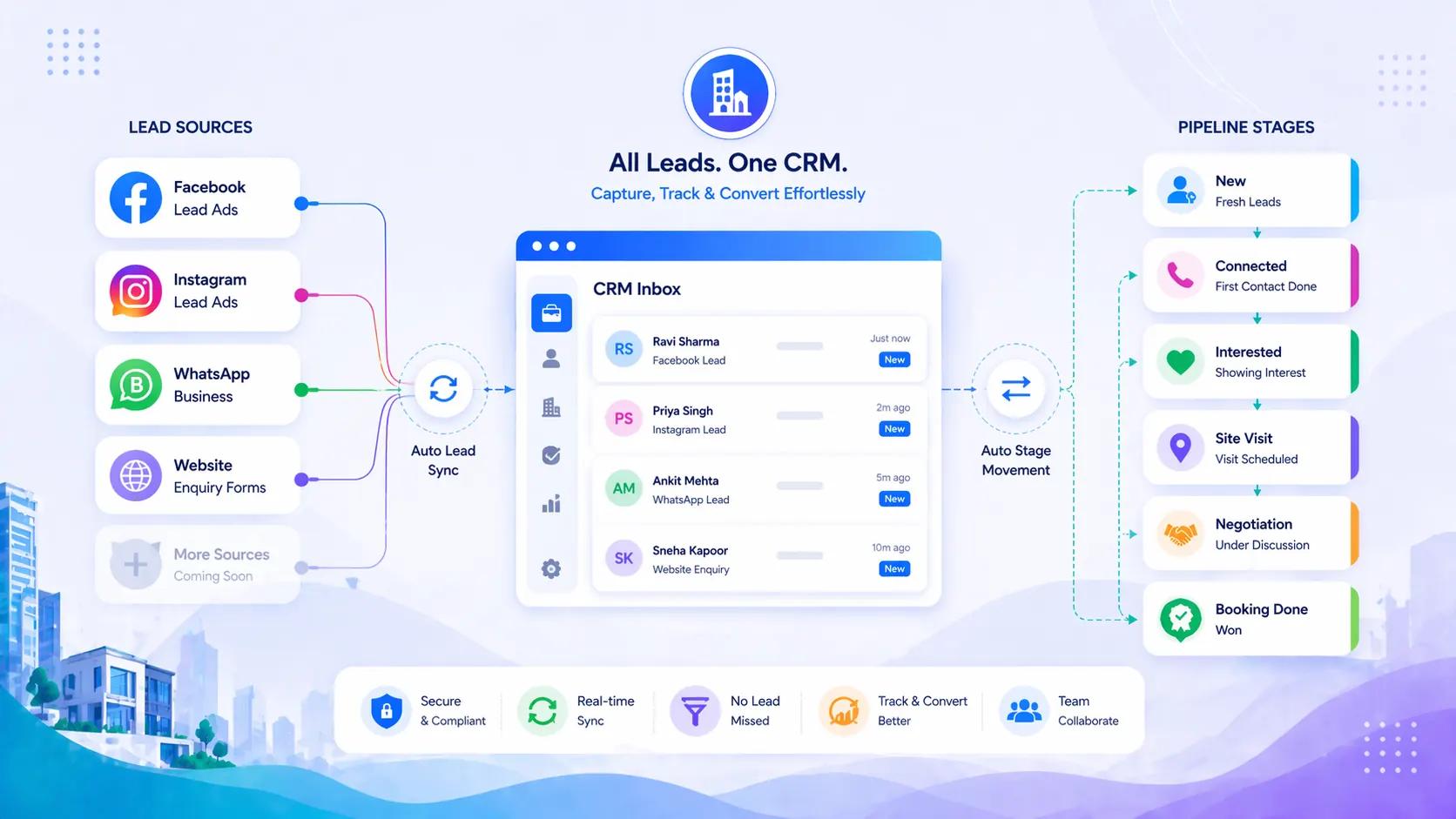
Enquiries enter a central CRM.
Sales employees receive assigned opportunities.
Qualification decisions are documented.
Sales outcomes are connected to acquisition sources.
Marketing receives feedback.
Campaigns and website content are refined accordingly.
Define responsibilities
| Marketing team | Sales team |
|---|---|
| Identify relevant audiences | Understand individual prospect requirements |
| Improve search visibility | Qualify enquiries |
| Develop commercial content | Conduct consultations |
| Manage agreed campaigns | Prepare quotations |
| Monitor acquisition performance | Negotiate commercial terms |
| Improve lead quality | Close suitable opportunities |
| Review sales feedback | Record customer outcomes |
When both teams work with shared information, the business can develop a clearer understanding of the complete customer acquisition journey.
16. Introduce CRM Software to Centralise Customer Information
A customer relationship management system helps businesses organise prospect and customer interactions.
For traditional companies, it can address problems caused by fragmented customer information.
Common problems without CRM
Enquiries are received on personal devices.
Customer information is duplicated.
Follow-ups are missed.
Management cannot easily review the sales pipeline.
Sales history is difficult to retrieve.
Employees maintain separate customer records.
Marketing attribution is incomplete.
Information to capture in your CRM
| Field | Business purpose |
|---|---|
| Customer name | Identify the prospect |
| Company name | Understand the organisation |
| Contact information | Support communication |
| Product or service requirement | Identify commercial relevance |
| Lead source | Evaluate acquisition channels |
| Location | Determine service coverage |
| Assigned salesperson | Establish responsibility |
| Qualification status | Identify relevant opportunities |
| Follow-up schedule | Manage pending communication |
| Quotation status | Track commercial progress |
| Opportunity value | Support sales forecasting |
| Final outcome | Measure conversions |
The selected CRM should reflect the company's actual requirements.
An unnecessarily complex system may reduce employee adoption and create additional administrative work.
17. Connect Website Enquiries With Your CRM
A major opportunity for sales transformation is reducing the manual transfer of customer information.
Traditional enquiry process
A potential customer submits a website enquiry.
The message arrives in a general email inbox.
An employee reviews the message.
The information is transferred into a spreadsheet.
The enquiry is forwarded to a salesperson.
The salesperson begins communication.
Each additional manual step creates opportunities for delay or error.
Connected enquiry process
A customer submits a website enquiry.
The system creates a CRM record.
Available acquisition source information is captured.
The enquiry is assigned according to agreed rules.
The responsible salesperson receives a notification.
Follow-up activities are recorded.
Management monitors the enquiry through its sales stages.
This process requires appropriate technical configuration, testing, access controls and privacy practices.
Automation should support human decision-making rather than automatically classify every submission as a genuine sales opportunity.
18. Use Sales Automation to Reduce Repetitive Activities
Sales automation can help companies manage routine administrative activities more efficiently.
Activities that may be suitable for automation
-
Enquiry acknowledgement.
-
CRM record creation.
-
Lead assignment.
-
Follow-up reminders.
-
Appointment scheduling.
-
Standard information sharing.
-
Internal notifications.
-
Quotation status reminders.
-
Reporting updates.
-
Duplicate enquiry identification.
Activities that generally require human judgement
-
Complex customer qualification.
-
Technical consultations.
-
Custom pricing decisions.
-
Contract negotiations.
-
Sensitive customer communication.
-
Complaint resolution.
-
Commercial relationship management.
Example
A manufacturer receives a request for technical product information.
An automated system can acknowledge the enquiry and provide appropriate documentation.
A qualified salesperson or technical specialist then discusses the customer's specific application.
This combination can improve responsiveness while maintaining professional customer communication.
19. Establish a Digital Quotation and Proposal Process
Many traditional businesses prepare quotations manually using individual documents or spreadsheets.
This may create inconsistencies in pricing, product information and follow-up practices.
A structured digital quotation process can include
Approved product and service information.
Standard quotation templates.
Internal pricing approval workflows.
Defined commercial terms.
Quotation tracking.
Revision history.
Customer communication records.
Follow-up reminders.
Potential business advantages
Improved consistency.
Clearer ownership.
Reduced repetitive documentation.
Better visibility into pending quotations.
More organised commercial records.
Faster access to previous proposals.
However, companies should retain appropriate human review for customised pricing, technical specifications and contractual commitments.
20. Use Digital Product Demonstrations and Consultations
Physical meetings remain valuable, especially for complex products and services.
However, digital communication can support earlier stages of customer evaluation.
Potential digital sales resources
Product demonstration videos.
Technical webinars.
Online consultations.
Virtual product walkthroughs.
Digital presentations.
Application-specific documentation.
Recorded training information.
Verified customer case studies.
Example
An industrial equipment manufacturer receives an enquiry from another state.
Instead of immediately sending a representative for an initial meeting, the company can first conduct a video consultation, share technical resources and understand the buyer's requirements.
If the opportunity is commercially relevant, a physical demonstration or site visit can follow.
Digital communication can help use field sales resources more selectively.
21. Train Traditional Sales Teams for Digital Customer Acquisition
Introducing technology without employee training can create operational resistance.
Sales representatives who have successfully worked through traditional methods may understandably prefer familiar processes.
Management should explain how digital systems support their work.
Essential training areas
CRM usage.
Lead qualification.
Digital customer communication.
Online meeting conduct.
Website resource sharing.
Quotation workflows.
Customer data management.
Follow-up procedures.
Marketing attribution.
Data security.
Introduce technology gradually
Start with essential features.
Provide practical demonstrations.
Use real sales scenarios.
Collect employee feedback.
Resolve unnecessary complexity.
Establish consistent procedures.
Review adoption and outcomes.
The objective should be to help employees become more effective, not to increase administrative responsibilities without clear business benefits.
22. Build a Single View of the Customer Journey
Traditional businesses may have separate systems for enquiries, quotations, invoices and customer communication.
This makes it difficult to understand the complete relationship.
Where appropriate, digital transformation can help connect customer information across relevant systems.
Example integrated customer journey
-
Customer discovers the company through Google.
-
Customer visits a relevant product page.
-
Customer submits a quotation enquiry.
-
Enquiry enters the CRM.
-
Sales representative qualifies the requirement.
-
Technical consultation takes place.
-
Quotation is prepared.
-
Customer approves the proposal.
-
Order information enters the appropriate business system.
-
Customer receives relevant delivery and support information.
Not every business requires complete integration between every platform.
Prioritise integrations that improve customer experience, prevent duplication or provide commercially useful information.
23. Introduce Marketing and Sales Analytics
Digital transformation provides opportunities to measure customer acquisition more systematically.
Management should establish a consistent measurement framework.
Important marketing metrics
Organic search impressions.
Relevant website traffic.
Commercial landing page performance.
Advertising expenditure.
Genuine enquiries.
Qualified leads.
Cost per qualified lead.
Important sales metrics
Lead response time.
Qualified opportunity volume.
Proposal conversion rate.
Sales cycle duration.
Customer acquisition cost.
New customer revenue.
Lost opportunity reasons.
Important transformation metrics
CRM adoption.
Percentage of enquiries recorded centrally.
Manual administrative time.
Follow-up completion.
Data accuracy.
Process automation reliability.
Quotation turnaround time.
These measures help businesses evaluate not only whether customer acquisition is increasing but also whether the organisation is becoming more efficient.
24. Understand the Financial Impact of Digital Transformation
Digital transformation requires investment.
Businesses should evaluate potential benefits without assuming that every technology implementation will generate immediate returns.
Illustrative monthly comparison
Consider a hypothetical B2B service company.
| Metric | Before transformation | After transformation |
|---|---|---|
| Genuine enquiries | 40 | 90 |
| Qualified leads | 20 | 45 |
| New customers | 5 | 10 |
| Average initial revenue per customer | ₹50,000 | ₹50,000 |
| New customer revenue | ₹2,50,000 | ₹5,00,000 |
| Measured acquisition expenditure | ₹70,000 | ₹1,20,000 |
| Acquisition expenditure per customer | ₹14,000 | ₹12,000 |
In this hypothetical example, the company increases new customer acquisition while reducing measured acquisition expenditure per customer.
Contribution analysis
Assuming a 40% contribution margin before acquisition expenditure:
| Financial measure | Before | After |
|---|---|---|
| Customer contribution | ₹1,00,000 | ₹2,00,000 |
| Acquisition expenditure | ₹70,000 | ₹1,20,000 |
| Remaining contribution | ₹30,000 | ₹80,000 |
The difference is ₹50,000 in monthly remaining contribution under the stated assumptions.
These figures exclude additional fixed costs, taxes, software implementation expenses and other potential costs.
They are illustrative, not an actual client case study or guaranteed result.
25. How Much Should Growing Businesses Invest in Digital Transformation?
There is no universal digital transformation budget.
Investment depends on:
Company size.
Existing website capabilities.
Product catalogue complexity.
Sales team size.
Required integrations.
Marketing objectives.
Technology requirements.
Data migration complexity.
Internal technical resources.
Illustrative budget for an established small or medium-sized B2B company
One-time implementation expenses
| Investment area | Illustrative cost |
|---|---|
| Digital transformation assessment | ₹25,000 |
| Website development or restructuring | ₹1,50,000 |
| CRM configuration and implementation | ₹50,000 |
| Data migration and integrations | ₹40,000 |
| Sales team training | ₹20,000 |
| Total one-time investment | ₹2,85,000 |
Recurring monthly expenses
| Investment area | Illustrative monthly cost |
|---|---|
| SEO and content marketing | ₹40,000 |
| Paid advertising expenditure | ₹30,000 |
| Campaign management | ₹10,000 |
| Website maintenance | ₹5,000 |
| CRM and software subscriptions | ₹10,000 |
| Total monthly investment | ₹95,000 |
These are planning examples rather than market price estimates or SEOspade quotations.
Actual investment may be significantly higher or lower depending on project scope.
26. Calculate the Payback Period of Your Transformation Investment
Founders should consider how long it may take for additional business contribution and verified cost savings to recover an initial investment.
Hypothetical example
One-time transformation investment: ₹2,85,000.
Additional monthly contribution after recurring acquisition expenditure: ₹50,000.
Additional verified monthly operational savings: ₹15,000.
Total incremental monthly financial benefit: ₹65,000.
Illustrative payback calculation
₹2,85,000 ÷ ₹65,000 = approximately 4.4 months.
This calculation assumes the incremental benefits remain consistent and do not overlap.
Actual payback may take longer because implementation requires time, performance may fluctuate and additional costs may arise.
Businesses should include relevant ramp-up periods and use conservative assumptions when evaluating investment decisions.
27. Digital Transformation for Manufacturing Businesses
Manufacturing companies often have significant opportunities to improve digital customer discovery and commercial processes.
Common traditional processes
Printed catalogues.
Dealer-dependent customer acquisition.
Manual quotation requests.
Field sales visits.
Telephone-based product discussions.
Limited online technical documentation.
Potential transformation opportunities
Professional manufacturing websites.
Searchable product catalogues.
Commercial and industrial SEO.
Application-specific content.
Online quotation requests.
Dealer enquiry management.
CRM integration.
Technical documentation resources.
International customer discovery.
Example
A manufacturer with hundreds of products can build a structured digital catalogue that helps procurement managers identify relevant products before contacting the sales team.
This may reduce repetitive product explanations and improve the relevance of incoming enquiries.
28. Digital Transformation for Professional Service Businesses
Professional services companies may depend heavily on personal relationships and consultation-based selling.
Digital transformation can help potential customers understand their services before initiating commercial discussions.
Relevant opportunities
Dedicated service pages.
Consultation enquiry systems.
Educational content.
Appointment scheduling.
CRM implementation.
Document collection workflows.
Digital proposal management.
Customer communication systems.
Search engine optimisation.
Example
A business compliance consultancy can publish accurate service information, explain documentation requirements and introduce structured consultation enquiries.
Its specialists can then focus discussions on the customer's specific requirements rather than repeatedly explaining general information.
Applicable professional advertising, confidentiality and regulatory requirements should be considered.
29. Digital Transformation for Distributors and Wholesalers
Distribution businesses frequently manage customer communication through telephone calls, sales representatives and messaging applications.
Digital systems can help improve access to product and commercial information.
Potential improvements
Online product discovery.
Dealer registration systems.
Quotation request functionality.
Inventory information where appropriate.
Customer account management.
Order communication.
CRM-based relationship management.
Sales territory reporting.
Digital distribution marketing.
Not every distributor requires a complete eCommerce website.
Some businesses may benefit more from a B2B enquiry platform that supports negotiated pricing and commercial relationships.
30. Digital Transformation for Healthcare and Medical Device Companies
Healthcare-related businesses may require particularly careful management of technical information and regulatory communication.
Relevant transformation opportunities
Accurate digital product catalogues.
Professional company websites.
Technical specifications.
Valid certification information.
Distributor and institutional enquiry systems.
Relevant search visibility.
Customer education.
Secure information handling.
Structured sales enquiry management.
Important consideration
Medical device and healthcare content should accurately represent product indications, capabilities and applicable regulatory requirements.
Digitising information should not introduce unsupported medical or performance claims.
Appropriate technical and professional review remains essential.
31. Digital Transformation for Export-Oriented Businesses
Exporters can use digital channels to communicate their capabilities to potential international customers.
Important website requirements
Clear product information.
Export capabilities.
Applicable quality standards.
Packaging information.
Relevant documentation.
Supported countries and regions.
International enquiry functionality.
Language and currency information where appropriate.
International customer acquisition
Potential activities include international SEO, professional outreach, industry directories and suitable digital advertising.
However, international visibility should be aligned with genuine export capabilities, applicable regulations and commercial feasibility.
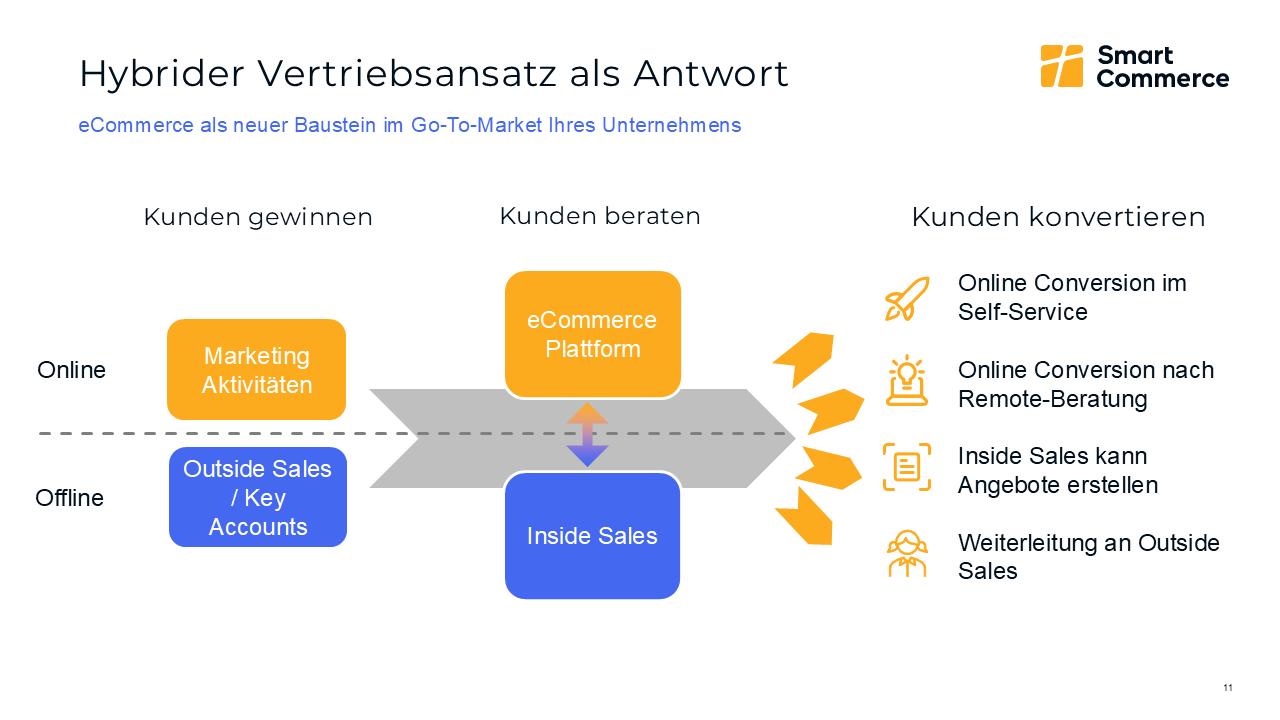
32. Build a Hybrid Sales Model Instead of Eliminating Traditional Sales
For many growing businesses, a hybrid model provides a practical transition.
Digital channels support discovery, education, enquiry management and early customer evaluation.
Traditional sales activities support complex discussions, relationship management, demonstrations and commercial negotiations.
Example hybrid sales process
| Sales stage | Digital role | Human sales role |
|---|---|---|
| Customer discovery | SEO, advertising and website | Targeted networking and field outreach |
| Initial research | Product pages and resources | Respond to specific questions |
| Enquiry | Online forms and CRM | Review customer requirements |
| Qualification | CRM data and agreed rules | Assess commercial suitability |
| Consultation | Video meetings and documentation | Technical discussion |
| Proposal | Digital quotation systems | Pricing and commercial approval |
| Negotiation | Recorded communication | Relationship and negotiation |
| Purchase | Digital records and coordination | Final commercial agreement |
| Retention | Relevant communication and reminders | Customer support and relationship management |
The objective is to use digital systems wherever they improve efficiency and maintain human interaction wherever it adds meaningful value.
33. Select Technology Based on Business Requirements
Growing businesses may be presented with numerous software options.
Purchasing too many tools can create unnecessary complexity.
Technology areas to evaluate
Content management system.
CRM platform.
Analytics tools.
Marketing automation.
Sales communication software.
Quotation management.
Enterprise resource planning.
Customer support software.
Data integration tools.
Cybersecurity and access management.
Questions to ask before purchasing
What specific problem does this tool solve?
Can it integrate with existing systems?
Will employees be able to use it effectively?
What are the recurring costs?
Who will manage configuration and maintenance?
Can the company export its data?
What security controls are available?
Can the system support future requirements?
Start with essential capabilities and expand when there is a documented business requirement.
34. Use AI Carefully Within Your Digital Transformation Strategy
Artificial intelligence can support selected business activities when implemented appropriately.
Potential business applications
Drafting standard sales communications.
Organising customer information.
Summarising meeting notes.
Supporting content development.
Identifying patterns in sales data.
Assisting with internal documentation.
Preparing initial product information drafts.
Supporting routine customer questions.
Important limitations
AI-generated information may be inaccurate.
Confidential information requires appropriate protection.
Customer-facing decisions may require professional judgement.
Technical and regulatory information needs suitable review.
Automated communication must reflect genuine company capabilities.
AI should be treated as a supporting capability within a broader transformation strategy rather than a substitute for business expertise.
35. Protect Business Data and Digital Assets
Digital transformation increases the importance of data security and asset management.
Business assets requiring protection
Domain ownership.
Website hosting.
Website administration.
CRM records.
Customer information.
Analytics accounts.
Advertising accounts.
Product documentation.
Pricing information.
Sales communication records.
Cloud storage.
Recommended practices
Maintain company-controlled accounts.
Use appropriate multi-factor authentication.
Limit access according to employee responsibilities.
Maintain reliable backups.
Review permissions periodically.
Document integrations and software ownership.
Establish employee access removal procedures.
Address applicable data protection requirements.
Your digital infrastructure should support business continuity rather than create dependence on individual employees or external agencies.
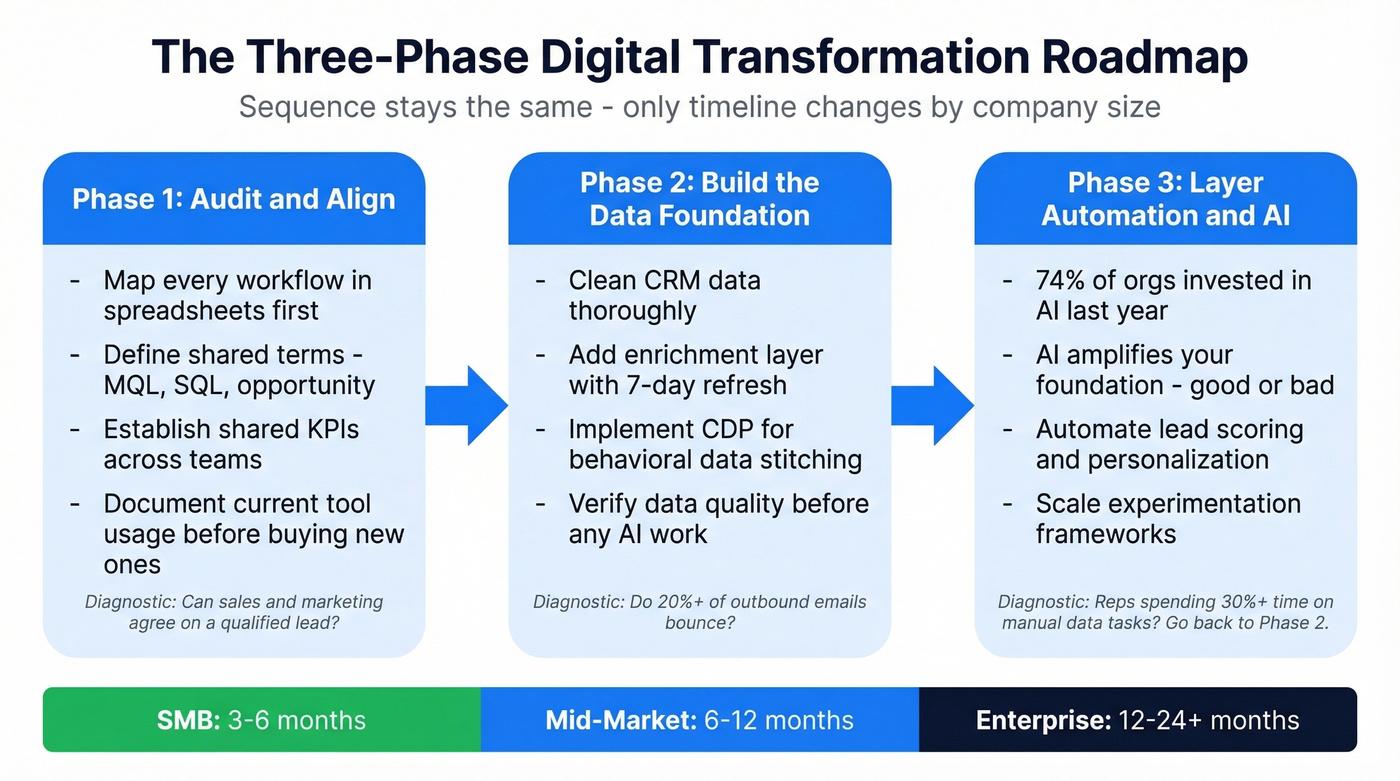
36. Develop a Phased Digital Transformation Roadmap
Trying to transform every business function simultaneously can create operational difficulties.
A phased approach helps management prioritise requirements and evaluate progress.
Phase 1: Assessment and planning
Document existing processes.
Identify customer acquisition limitations.
Review digital infrastructure.
Set business objectives.
Define implementation priorities.
Phase 2: Digital foundation
Improve website architecture.
Develop digital product and service information.
Establish essential technical SEO.
Implement analytics and enquiry tracking.
Phase 3: Sales integration
Introduce or improve CRM.
Connect enquiry channels.
Define qualification procedures.
Train employees.
Establish reporting.
Phase 4: Customer acquisition
Develop relevant organic search visibility.
Test suitable advertising campaigns.
Introduce targeted outreach.
Improve commercial landing pages.
Phase 5: Process optimisation
Evaluate sales outcomes.
Reduce unnecessary manual activities.
Refine automation.
Improve customer experience.
Adjust marketing investment.
Each phase should have defined responsibilities, implementation milestones and evaluation criteria.
37. A Practical 90-Day Digital Transformation Plan
The initial 90 days can establish important foundations, although complete transformation may require considerably longer.
| Period | Main activities | Expected deliverables |
|---|---|---|
| Days 1–15 | Business discovery, sales process mapping and digital audit | Documented requirements and baseline |
| Days 16–30 | Website architecture and technology planning | Prioritised implementation roadmap |
| Days 31–45 | Website improvements and commercial content development | Initial digital sales resources |
| Days 46–60 | CRM setup, enquiry tracking and employee training | Structured lead management system |
| Days 61–75 | SEO implementation and selected acquisition campaigns | Active customer discovery initiatives |
| Days 76–90 | Sales feedback, analytics review and process improvements | Initial performance and transformation assessment |
Large websites, complex integrations and extensive data migration may require longer implementation periods.
The first 90 days should focus on establishing a functioning foundation rather than guaranteeing specific revenue outcomes.
38. A Six-Month Digital Transformation Roadmap
| Month | Transformation priority | Intended outcome |
|---|---|---|
| Month 1 | Business audit and process mapping | Clear transformation objectives |
| Month 2 | Website and technical infrastructure | Scalable digital foundation |
| Month 3 | CRM and sales integration | Centralised enquiry management |
| Month 4 | SEO, content and campaign testing | Additional customer discovery |
| Month 5 | Sales automation and conversion improvements | More efficient commercial processes |
| Month 6 | Financial and operational evaluation | Evidence-based investment decisions |
At the end of six months, management should assess which improvements are producing meaningful results and which systems need further development.
39. Measure Digital Transformation Readiness With a Business Scorecard
Rate each area from 1 to 5.
A score of 1 indicates a significant limitation, while 5 indicates an established capability.
| Evaluation area | Maximum score |
|---|---|
| Documented sales process | 5 |
| Professional business website | 5 |
| Accessible product and service information | 5 |
| Technical SEO foundation | 5 |
| Online customer acquisition | 5 |
| Customer relationship management | 5 |
| Website and CRM integration | 5 |
| Sales team digital skills | 5 |
| Lead qualification procedures | 5 |
| Sales automation | 5 |
| Digital quotation management | 5 |
| Customer acquisition analytics | 5 |
| Data security | 5 |
| Operational scalability | 5 |
| Management oversight | 5 |
| Total possible score | 75 |
Illustrative score interpretation
60–75: Many digital capabilities are established. Focus on integration and commercial optimisation.
45–59: Useful foundations exist, but selected processes require improvement.
30–44: Important digital infrastructure and sales process gaps need attention.
Below 30: Begin with business process assessment and foundational implementation.
This is a practical self-assessment tool rather than a validated industry benchmark.
The score should support discussion, not replace detailed business analysis.
40. Common Digital Transformation Mistakes Growing Businesses Make
Mistake 1: Treating website development as complete transformation
A website is important, but it must connect with customer acquisition and sales processes.
Mistake 2: Purchasing software before defining requirements
Technology should address genuine operational problems.
Mistake 3: Ignoring existing sales employees
Employee adoption and training are critical implementation considerations.
Mistake 4: Attempting to automate every customer interaction
Complex purchasing decisions often require human expertise.
Mistake 5: Running advertisements before improving enquiry handling
Additional enquiries may be wasted if the business lacks suitable follow-up processes.
Mistake 6: Publishing outdated product information online
Digital information must remain accurate and maintained.
Mistake 7: Creating disconnected systems
Where necessary, integrate systems to reduce repetitive data entry and improve information visibility.
Mistake 8: Focusing exclusively on website traffic
Measure relevant customer acquisition and operational outcomes.
Mistake 9: Removing traditional sales methods too quickly
Preserve valuable relationships and effective existing processes.
Mistake 10: Underestimating implementation costs
Consider development, integration, training, subscriptions and ongoing maintenance.
Mistake 11: Neglecting data security
Digital assets and customer information require appropriate protection.
Mistake 12: Expecting immediate financial returns
Transformation involves implementation, employee adoption, evaluation and continuous improvement.
41. When Should a Business Hire a Digital Transformation or Digital Marketing Partner?
Growing businesses may require external support when internal teams lack specialised digital capabilities.
Signs external support may be valuable
The website requires substantial restructuring.
The company has limited technical SEO expertise.
Product information needs to be organised digitally.
Marketing and sales systems need integration.
Customer acquisition tracking is incomplete.
The company wants to reach new customer segments.
Internal development resources are limited.
The business requires a coordinated implementation strategy.
Evaluate potential partners based on
Business understanding.
Technical expertise.
Website development capabilities.
Customer acquisition experience.
Implementation responsibilities.
Data management practices.
Project communication.
Realistic timelines.
Transparent costs.
Relevant case studies.
A suitable partner should help the company develop capabilities that support its business processes rather than simply sell disconnected digital services.
42. How SEOspade Helps Traditional Businesses Transition Towards Digital Acquisition
At SEOspade, we work across digital marketing, website development and technical SEO to help businesses establish stronger online capabilities.
Traditional companies often need a coordinated approach that connects their existing business expertise with digital customer discovery.
Digital strategy and planning
Understand the company's existing digital presence, customer requirements, sales challenges and growth objectives.
Website design and development
Create scalable business websites, product catalogues, commercial landing pages and appropriate enquiry systems.
Technical SEO
Address website architecture, indexing, migration requirements, internal linking and technical performance.
Search engine optimisation
Develop relevant organic customer acquisition strategies aligned with commercially important products and services.
Content development
Create useful product information, service pages, case studies and educational resources.
Paid marketing and lead generation
Plan and manage suitable acquisition campaigns based on customer requirements, budget and agreed objectives.
B2B digital marketing
Support customer discovery among manufacturers, institutional buyers, distributors, professional organisations and business decision-makers.
Digital PR and brand communication
Develop relevant opportunities to improve brand visibility and support company credibility.
Custom website and business integrations
Where included within the agreed project scope, support appropriate website functionality, enquiry workflows and integrations with relevant business systems.
Analytics and customer acquisition measurement
Help businesses establish suitable tracking frameworks to understand digital marketing performance and customer enquiries.
The appropriate implementation depends on the company's existing systems, business requirements and operational capabilities.
Our focus is on helping companies build digital infrastructure that supports their commercial objectives rather than simply increasing online activities.
Conclusion: Transform Your Sales Infrastructure Before Your Traditional Model Becomes a Growth Limitation
Traditional sales methods have helped countless businesses establish reliable customer relationships and successful operations.
Those methods remain valuable.
However, growing companies should recognise that customers increasingly have access to digital information, online supplier research and alternative purchasing journeys.
The next stage of growth may require a more connected customer acquisition infrastructure.
A professional website allows customers to understand your business.
SEO helps relevant customers discover your offerings.
Digital campaigns support targeted acquisition.
CRM systems organise customer information.
Sales automation reduces selected repetitive activities.
Analytics provides greater insight into the commercial process.
Together, these capabilities can support a more coordinated approach to customer acquisition and business operations.
Digital transformation should not be treated as a competition between traditional sales and online marketing.
It should be viewed as an opportunity to combine the strengths of both.
Your existing sales expertise is a valuable business asset. Digital transformation can help make that expertise more accessible, measurable and scalable.
If your business relies primarily on traditional sales and wants to develop a stronger online customer acquisition infrastructure, connect with SEOspade to discuss your website, digital marketing requirements, existing sales challenges and business growth objectives.