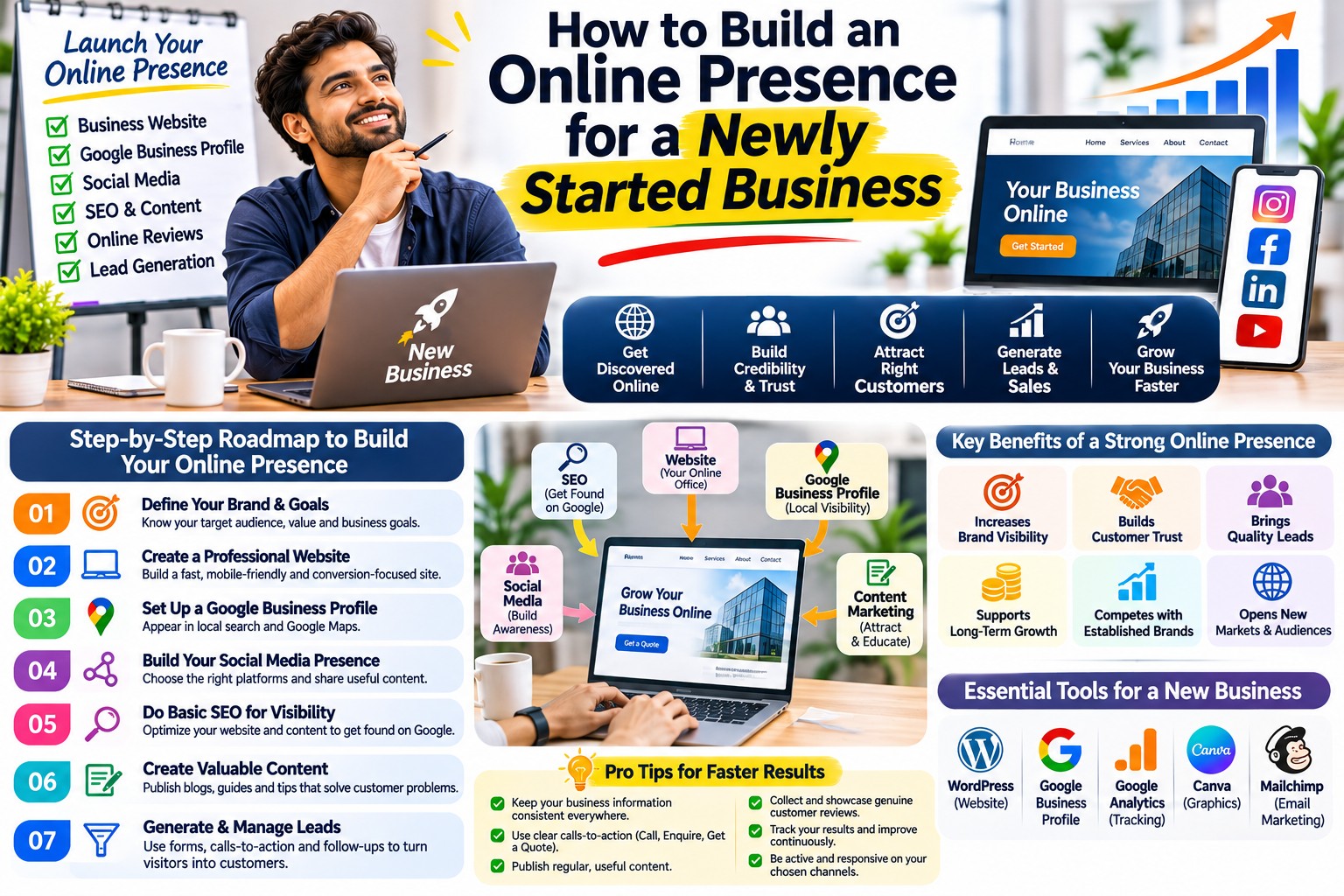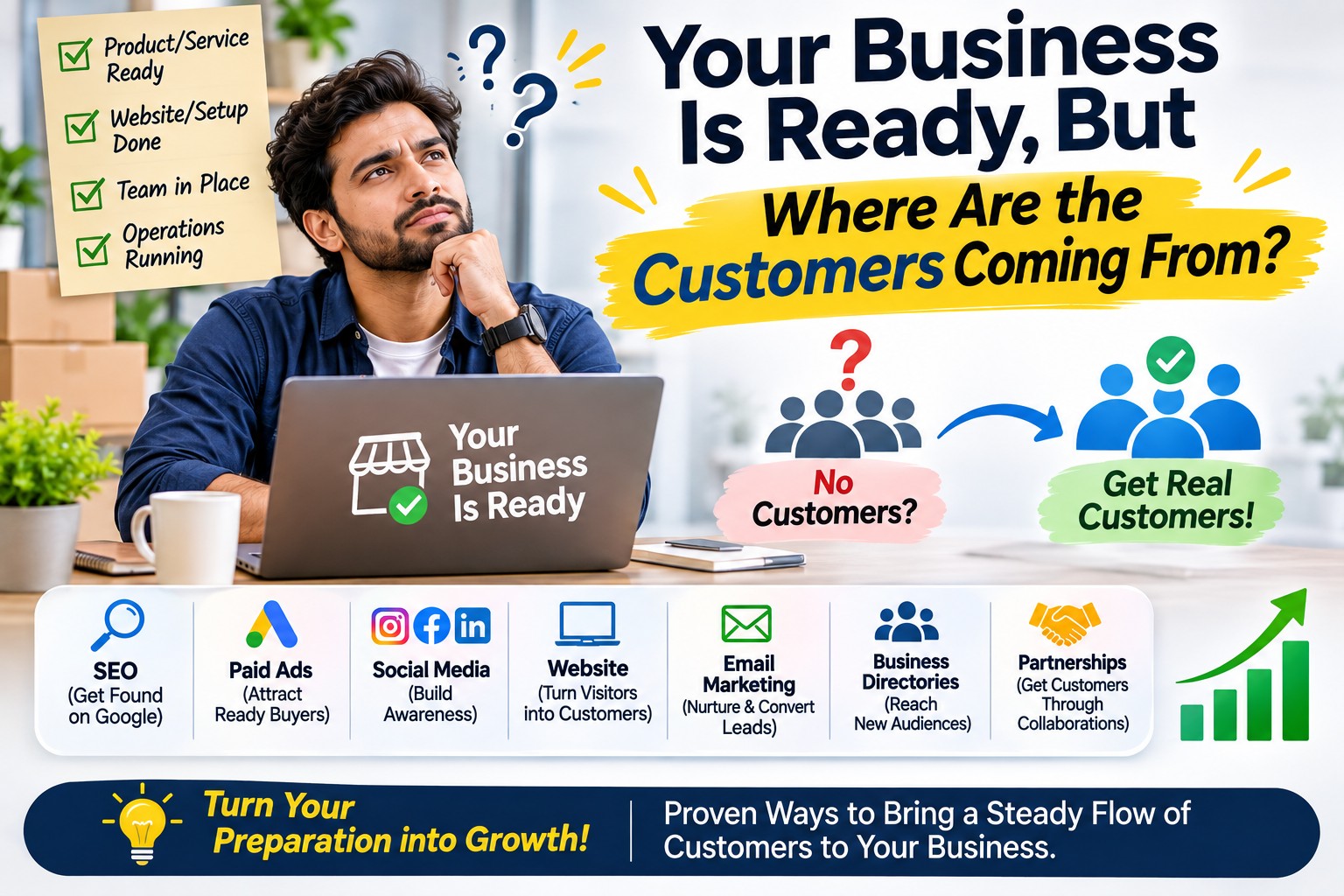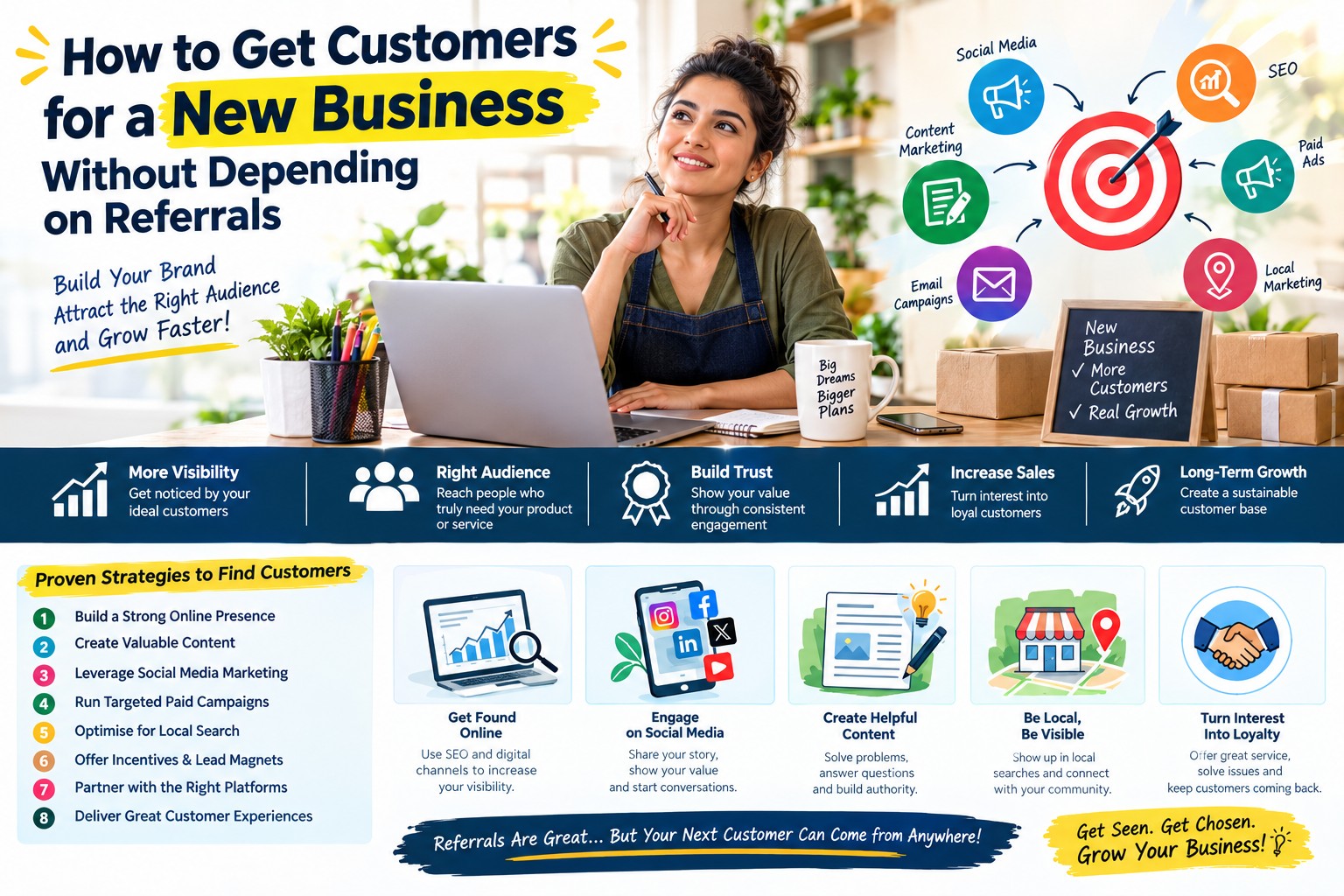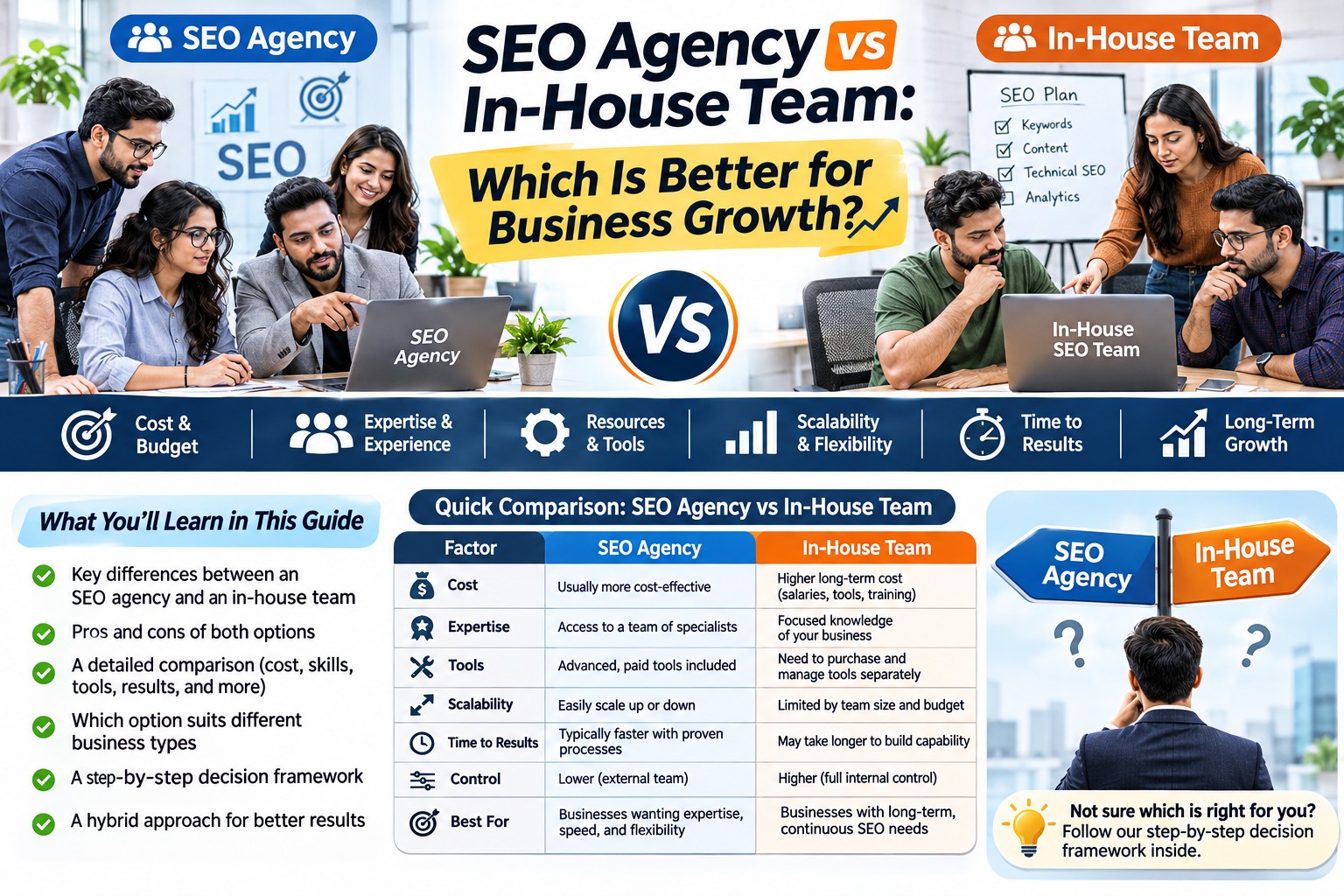
Imagine you own a small business that provides office cleaning services, website development, solar installation, industrial equipment or professional consulting.
You have a website. Your services are ready. You have a team that can handle new customers.
But the enquiries are unpredictable.
One week, three people contact you. The following week, nobody calls. Some months are good, while others are disappointing.
You may have tried posting on social media, distributing brochures, asking existing customers for recommendations or spending money on advertisements.
Still, you cannot confidently answer one important question:
Where will next month's business enquiries come from?
For many small businesses, Google can become an important source of potential customers.
Every day, people use Google to find products, compare service providers, check business information and research solutions to problems.
Someone may search for an accountant near their office. Another person may look for a commercial cleaning company. A procurement manager may search for a specific industrial component. A homeowner may compare solar installation providers.
These people are not necessarily browsing for entertainment. Some have a real requirement and are looking for a business that can help.
The opportunity is to make your company visible when those searches happen.
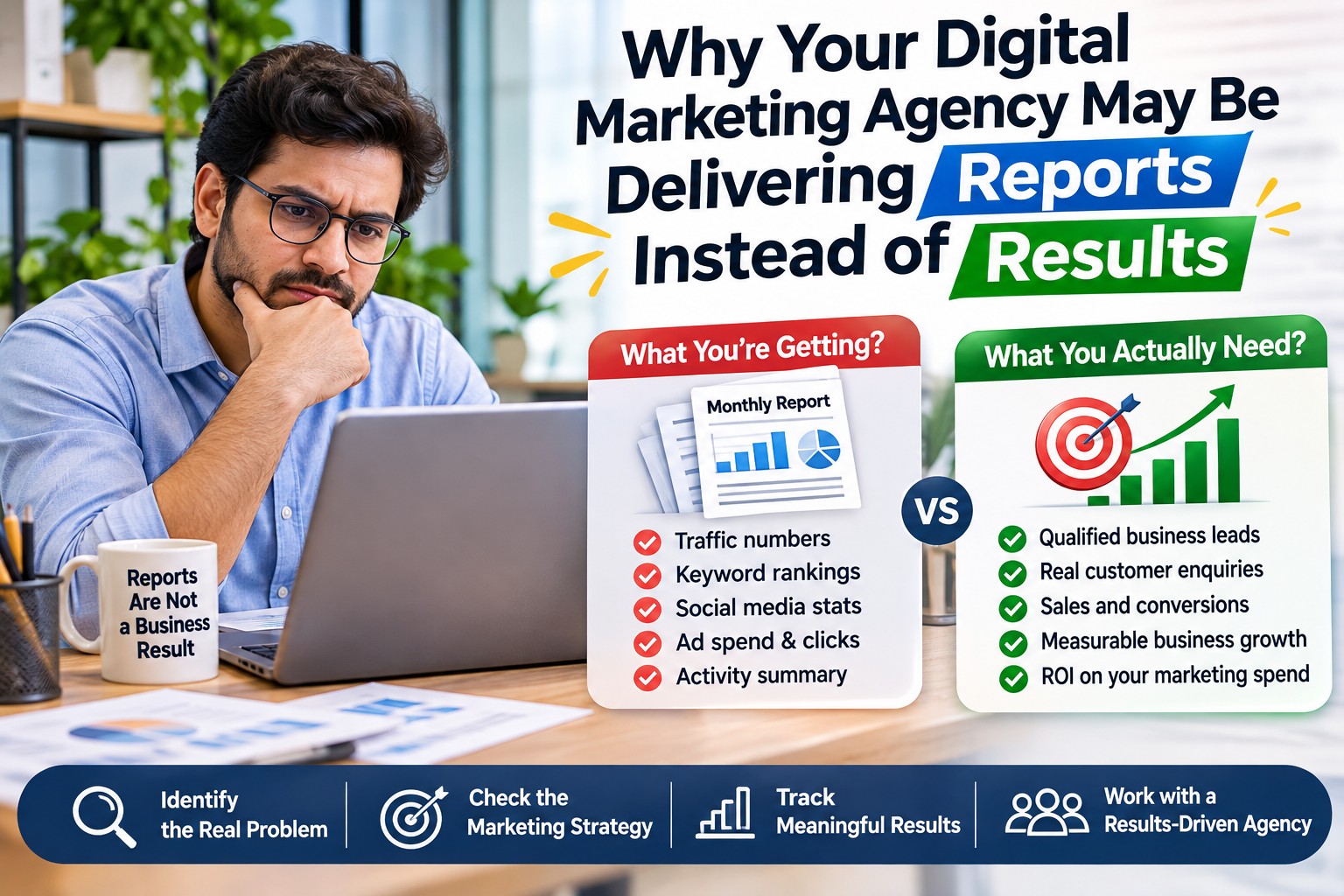
However, appearing on Google does not automatically mean you will receive enquiries. And receiving enquiries does not guarantee that those people will become paying customers.
To generate leads more consistently, your business needs several things to work together: relevant search visibility, useful website pages, a trustworthy business presence, clear contact options, reliable tracking and a process for responding to interested customers.
This guide explains how small businesses can build that system, which Google channels to prioritise, how to avoid wasting money and how to measure whether Google is actually helping your business grow.
1. What Does Generating Leads Through Google Actually Mean?

A lead is a person or organisation that shows potential interest in your product or service.
For example, someone might:
-
Submit a quotation request on your website.
-
Call your business after finding it on Google.
-
Book a consultation.
-
Request a product demonstration.
-
Ask about service availability.
-
Submit specifications for a manufacturing order.
-
Contact you to discuss a project.
These actions can represent business opportunities.
But not every visitor, phone call or form submission is a qualified lead.
A student looking for information, a job applicant, a spam enquiry or someone outside your service area may not be a suitable customer.
Google traffic versus Google leads
Suppose two businesses receive visitors through Google.
| Metric | Business A | Business B |
|---|---|---|
| Monthly organic visits | 5,000 | 1,000 |
| Enquiries | 30 | 45 |
| Qualified enquiries | 8 | 30 |
| New customers | 2 | 9 |
Illustrative example.
Business A receives much more traffic, but Business B attracts more relevant enquiries and customers.
This is why small businesses should not judge Google performance only by traffic.
The goal is to attract people whose requirements match what your company sells.
What does consistent lead generation mean?
Consistency does not mean receiving the same number of leads every day.
Demand changes because of seasonality, competition, budgets, customer behaviour and other factors.
A consistent lead generation system means your business has repeatable activities that help attract suitable prospects, track their enquiries and improve results over time.
You should understand which channels produce opportunities, what those opportunities cost and what happens after people contact you.
2. Understand the Different Ways Google Can Bring Customers to Your Business
Google is not a single marketing channel.
A customer may discover your company through organic search results, a local business listing, a paid advertisement or another Google search experience.
Each route works differently.
Organic Google Search
These are unpaid search results selected by Google's systems.
SEO helps you make your website accessible, relevant and useful for searches connected to your products or services.
You do not pay Google for individual organic clicks.
However, creating and maintaining a competitive website may involve costs.
Google Maps and local business results
For relevant local searches, Google may display business listings and map results.
Eligible businesses can manage their information through Google Business Profile.
This can be useful for local service providers and businesses that meet customers in person.
Google Ads
Google Ads allows businesses to pay for advertising placements, including search advertisements.
You can target relevant searches and measure campaign performance, subject to the platform's policies and available features.
Advertising can help test demand, but results depend on targeting, competition, the offer and what happens after the click.
Other Google surfaces
Depending on the business, products may also be discovered through Google Shopping experiences, video results or other relevant search features.
Not every Google feature is suitable or available for every business.
Which channel should you use?
| Business need | Channel to evaluate |
|---|---|
| Build organic visibility for important services | SEO |
| Reach customers searching for local providers | Google Business Profile and local SEO |
| Test relevant commercial searches sooner | Google Search Ads |
| Promote eligible physical products | Merchant Center and relevant shopping experiences |
| Answer customer research questions | Helpful website content and SEO |
| Improve enquiries from existing visitors | Website conversion optimisation |
For many small businesses, a combination of relevant organic visibility, local presence where eligible and carefully managed paid campaigns can be useful.
The right mix depends on your market and budget.
3. First, Identify the Searches That Could Actually Bring You Customers
One of the most common SEO mistakes is selecting keywords based only on search volume.
A keyword receiving thousands of monthly searches may appear attractive.
But if the people searching it have no intention of buying your service, it may not generate useful enquiries.
Understand search intent
Search intent describes what someone is trying to accomplish with a search.
Consider a website development company.
Someone searching "what is a website" is probably looking for basic information.
Someone searching "website development company for manufacturing business" may be comparing potential service providers.
The second search is more closely connected to a commercial requirement.
Four useful types of search intent
Informational: The person wants to learn something.
Example: "What should a business website include?"
Commercial investigation: The person is comparing possible solutions.
Example: "Best website platform for small business."
Transactional or service-seeking: The person is ready to take an action or find a provider.
Example: "Hire website developer for business website."
Navigational: The person wants to find a specific company or website.
Example: Searching directly for a known agency's name.
Create a keyword-to-service map
Start by listing your most important products or services.
Then identify how potential customers search for each offering.
For example:
| Service | Potential commercial search |
|---|---|
| Office cleaning | Commercial office cleaning company |
| Residential solar | Rooftop solar installation services |
| Website development | Business website development company |
| Industrial packaging | Industrial packaging manufacturer |
| Accounting | Accounting services for small businesses |
| Commercial interiors | Office interior design company |
These are illustrative keyword ideas, not verified search-volume recommendations.
Look beyond keyword volume
When selecting keywords, consider:
-
Whether the search matches your service.
-
Whether the searcher is likely to need a provider.
-
Whether you serve the relevant location.
-
Whether the customer can afford your offering.
-
Whether your website can provide a useful answer.
-
Whether competing results reflect the same search intent.
A lower-volume keyword can sometimes produce better leads than a broad, high-volume term.
4. Create Dedicated Service Pages That Can Convert Search Visitors Into Enquiries

For many small businesses, service pages are among the most important pages on the website.
A service page explains a specific offering and helps potential customers decide whether to contact you.
Why a homepage is not enough
Suppose a company offers:
-
E-commerce development.
-
Website redesign.
-
Website maintenance.
A single homepage may introduce all four.
But someone searching for e-commerce development may need specific information about shopping cart features, payments, product management, integrations and project timelines.
A dedicated page can address those requirements in greater detail.
What a strong service page should include
Clear service heading
Tell visitors exactly what the page is about.
Customer problems
Explain the situations in which the service is useful.
Service scope
Describe what is included and what may require additional work.
Process
Explain how the service is delivered.
Requirements
Tell customers what information they should prepare.
Pricing guidance
Where appropriate, explain what affects the price or how quotations are prepared.
Relevant proof
Show genuine experience, examples or qualifications.
Frequently asked questions
Answer common concerns before someone contacts you.
Clear enquiry option
Provide an appropriate next step.
Example: Commercial cleaning service page
A useful page might cover the types of offices served, cleaning activities, scheduling options, service areas, quotation process and how to request a site assessment.
This is more helpful than a page repeating "best commercial cleaning company" throughout the content.
Avoid unnecessary duplicate pages
Do not create separate pages for small variations of the same search intent.
For example, "office cleaning services" and "commercial office cleaning service" may belong on the same page if they describe the same offering.
Create separate pages when the customer requirements and content are genuinely different.
5. Use Local SEO to Reach Customers in Your Service Area
Local SEO is especially relevant when customers search for businesses in a particular city, neighbourhood or service area.
For example:
-
Electrician in Dwarka.
-
Office cleaning services in Gurgaon.
-
Accountant in Noida.
-
Interior designer in Delhi.
-
Solar installation company in Faridabad.
These searches may indicate that location matters to the customer.
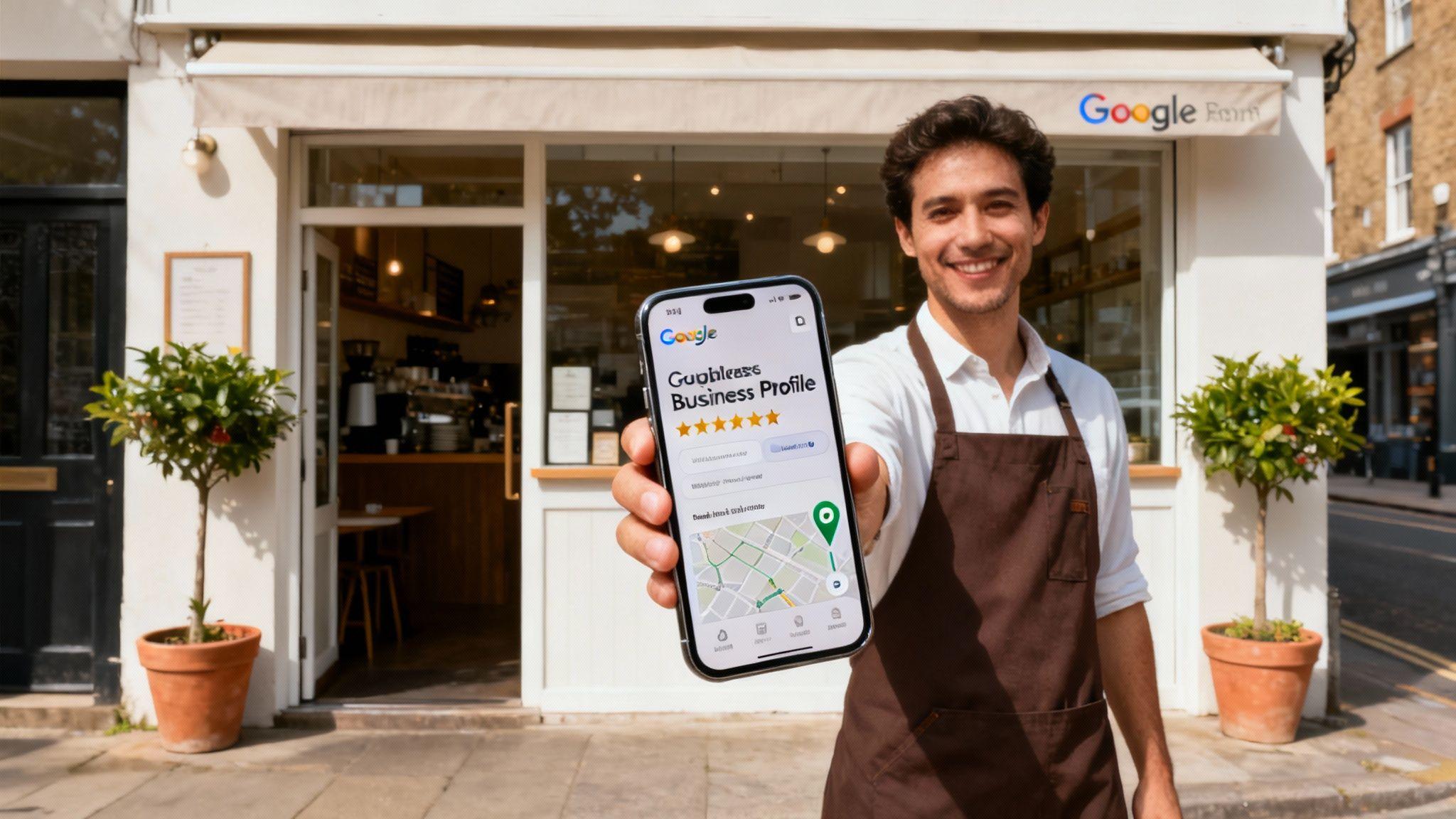
Set up an eligible Google Business Profile
If your business qualifies under Google's rules, create or claim your profile and complete it accurately.
Include your real business name, appropriate category, contact information, hours, website and relevant location or service-area details.
Choose accurate categories
Your primary category should represent your actual business.
Do not add unrelated categories simply to appear for more searches.
Provide useful photographs
Depending on the business, upload genuine photographs of your premises, team, products, equipment or completed work.
Do not use misleading images.
Request honest customer reviews
Invite genuine customers to share feedback.
Do not buy reviews or offer incentives for positive ratings.
Create useful location information on your website
If you genuinely serve multiple areas, explain your services and coverage clearly.
However, avoid publishing dozens of nearly identical city pages with only the location name changed.
Location-specific pages should provide real value, such as distinct service coverage, relevant local information or other meaningful differences.
Remember that local visibility is not guaranteed
Google's local results are influenced by multiple factors, including relevance, distance and prominence.
Completing a profile does not guarantee a particular ranking or number of leads.
6. Build an SEO Foundation Before Trying to Rank for Competitive Keywords
SEO is not only about inserting keywords into content.
Your website must also be accessible, understandable and usable.
Check whether important pages can be indexed
Use Google Search Console to investigate indexing issues.
Review whether important pages are accidentally blocked or marked noindex.
Check that the website returns appropriate status codes and uses sensible canonical URLs.
Maintain a clear website structure
Organise your pages so visitors and search engines can understand the relationship between services.
For example:
Homepage → Main service category → Individual service page.
Use descriptive navigation and relevant internal links.
Write useful titles and headings
Each important page should have a title that reflects its actual content.
Avoid using the same title across many pages.
Improve mobile usability
Make sure visitors can read content, use menus and complete forms on mobile devices.
Improve website performance
Review loading speed, layout stability and responsiveness.
Compress images, use suitable hosting and fix unnecessary scripts or other performance problems where practical.
Add structured data where appropriate
Relevant structured data can help search engines understand certain information.
For example, a business may use appropriate organisation, local business, product or breadcrumb markup when the page meets the relevant requirements.
Structured data does not guarantee enhanced search appearances or higher rankings.
Keep content accurate
Review service details, pricing information, contact information and other important facts when they change.
7. Publish Content That Supports Real Customer Buying Decisions
Blog content can help small businesses reach people who are researching a problem before contacting a provider.
However, informational traffic should not become the only objective.
Start with questions customers ask before purchasing
A solar installation company might answer:
-
What should homeowners check before installing rooftop solar?
-
How do on-grid solar systems work?
-
What affects the cost of rooftop solar installation?
-
What questions should you ask a solar installer?
A website development company might explain:
-
What should a small business prepare before building a website?
-
How do website development costs vary?
-
What should you check before hiring a developer?
-
When should a business redesign its website?
Create distinct content for distinct questions
Do not publish several articles that answer essentially the same question.
Map existing pages and intended search queries before assigning new topics.
Connect articles to relevant service pages
If an article explains how to evaluate a service, a contextual link to your relevant service page may help readers take the next step.
Do not insert the same sales message into every paragraph.
Include useful details
Good content may include:
-
Practical examples.
-
Requirements.
-
Decision criteria.
-
Cost factors.
-
Common mistakes.
-
Comparisons.
-
Checklists.
-
Explanations of what happens next.
Use genuine expertise
Where possible, involve people who actually deliver the service.
Their experience can reveal details that generic articles often miss.
For technical, medical, financial or legal topics, ensure information is accurate and appropriately reviewed.
8. Use Google Ads When You Need to Test Commercial Demand
Organic search visibility often takes time to develop.
Google Ads can provide another way to reach people searching for relevant services.
However, a paid campaign should be treated as a measured investment, not a guarantee of customers.
Start with one service or product category
If your business offers several unrelated services, do not necessarily advertise everything at once.
Choose an offering with a clear audience, suitable margins and a manageable sales process.
Match the advertisement to the search
Someone searching for "commercial rooftop solar installation" should see messaging relevant to that service.
Avoid generic advertisements that do not explain the offering.
Use a relevant landing page
The landing page should answer the customer's main questions and make it easy to request information.
Sending every advertisement to the homepage can create unnecessary friction.
Review search terms
Check whether advertisements are appearing for relevant searches.
Use appropriate exclusions to reduce unwanted traffic.
Track qualified outcomes
Measure more than advertisement clicks.
Depending on your business, useful outcomes may include qualified calls, completed quotation requests or customers acquired.
Understand the cost
The amount you need to spend depends on competition, search demand, cost per click, conversion performance and your customer economics.
Begin with a budget you can afford to test and adjust based on evidence.
9. Turn Google Visitors Into Leads With Better Landing Pages
Getting someone onto your website is only the beginning.
Your landing page must help the visitor decide whether your business is suitable.
Answer the most important questions first
A visitor should quickly understand:
-
What service is being offered.
-
Whether it matches their requirement.
-
Which locations or customers you serve.
-
What makes your approach relevant.
-
What information they need to provide.
-
What happens after contacting you.
Make contact options visible
Use appropriate calls to action such as:
-
Request a Quotation.
-
Book a Consultation.
-
Schedule a Site Visit.
-
Ask About Product Availability.
-
Get a Project Estimate.
Keep forms manageable
Ask only for information needed to begin the conversation.
A long form may discourage some visitors, while a form with too little information may create extra qualification work.
Find a suitable balance for your business.
Add genuine trust signals
Examples include:
-
Relevant project examples.
-
Accurate team information.
-
Certifications where applicable.
-
Clear service processes.
-
Genuine testimonials.
-
Business contact details.
Test the experience
Check whether forms submit correctly, confirmation messages appear and enquiries reach the responsible person.
Test mobile and desktop versions.
A broken contact form can waste valuable traffic.
10. Track Calls, Forms and Qualified Leads Properly
A business may receive enquiries through multiple routes.
Some people submit forms. Others call directly. Some discover the company through Maps and later visit the website.
Without tracking, you may not know which activities are producing results.
Configure website analytics
Use appropriate analytics tools to understand website traffic and meaningful events.
Google Analytics 4 can help with configured website interactions.
Google Search Console can provide organic search performance data.
Google Ads can report relevant paid campaign activity.
Understand attribution limitations
A customer may discover you through organic search, return through a direct visit and then call your business.
Different reports may attribute that journey differently.
Consent settings, browser restrictions and tracking implementation can also affect measurement.
Do not assume every lead source can be identified perfectly.
Track enquiry quality
A useful lead record should include:
| Field | Why it matters |
|---|---|
| Date | Shows when the enquiry arrived |
| Source | Helps identify the channel |
| Service required | Shows what the prospect needs |
| Location | Confirms service-area relevance |
| Qualification status | Separates relevant and irrelevant enquiries |
| Estimated opportunity value | Helps prioritise sales effort |
| Sales stage | Tracks progress |
| Final outcome | Shows whether the lead became a customer |
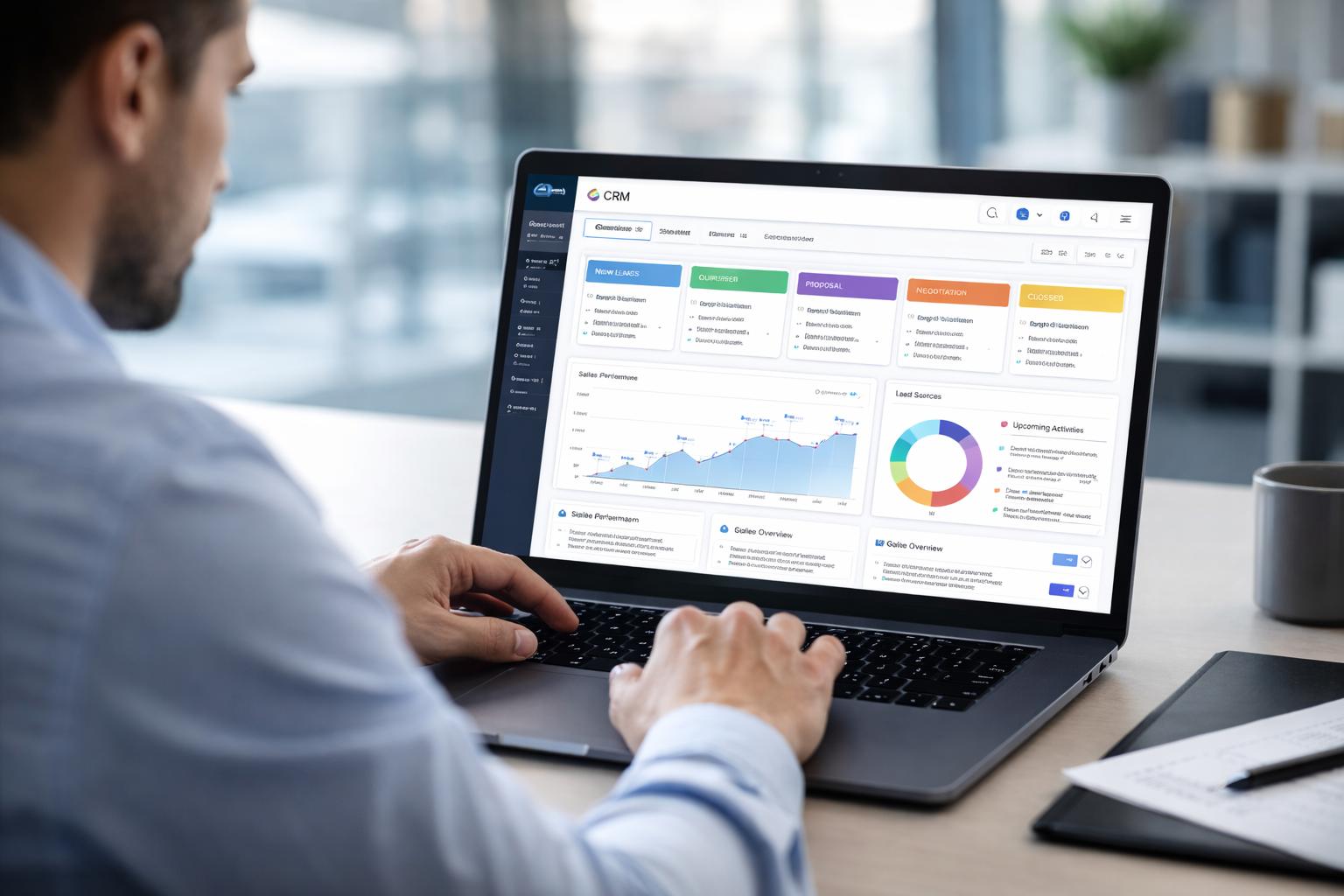
Use a simple CRM or spreadsheet
Small businesses do not necessarily need expensive software initially.
The important thing is that enquiries are recorded and followed up consistently.
11. Calculate Whether Google Leads Are Actually Profitable
A campaign that produces inexpensive enquiries may still be unprofitable if those enquiries rarely become customers.
Use basic calculations to understand the economics.
Cost per lead
Cost per lead = Marketing spend ÷ Number of leads.
Suppose you spend ₹20,000 on a campaign and receive 40 enquiries.
Your average cost per enquiry is ₹500.
Cost per qualified lead
Suppose only 20 of those enquiries match your target customer profile.
Cost per qualified lead = ₹20,000 ÷ 20 = ₹1,000.
Customer acquisition cost
Suppose five qualified leads become paying customers.
Marketing acquisition cost = ₹20,000 ÷ 5 = ₹4,000 per customer.
This simplified figure excludes any additional sales costs. A fuller customer acquisition cost calculation should include the relevant sales and marketing expenses.
Compare cost with customer value
If the average customer generates ₹30,000 in revenue, that does not mean you earn ₹26,000 after spending ₹4,000 to acquire them.
You must also consider delivery costs, overheads, taxes and other expenses.
Example performance calculation
| Metric | Illustrative result |
|---|---|
| Campaign spend | ₹20,000 |
| Total enquiries | 40 |
| Qualified leads | 20 |
| New customers | 5 |
| Cost per enquiry | ₹500 |
| Cost per qualified lead | ₹1,000 |
| Marketing cost per customer | ₹4,000 |
The aim is to understand which activities produce commercially useful outcomes, not simply the largest lead count.
12. Why Your Business May Be Ranking on Google but Still Not Getting Leads
Some small businesses invest in SEO for months and see improved keyword positions or website traffic without a corresponding increase in enquiries.
Several problems may explain this.
You are ranking for the wrong searches
Your website may attract people researching general information rather than looking for your services.
Review which pages and queries bring traffic.
Your service pages are too weak
A visitor may not find enough information about what you provide, how you work or how to request a quotation.
Your website attracts the wrong location
You may receive traffic from places where you cannot serve customers.
Your offer is unclear
Visitors may not understand why they should contact your business rather than another provider.
Your website lacks credibility
A new customer may hesitate if there is no genuine company information, clear contact details or explanation of your process.
Contact forms are not working
Technical issues may prevent enquiries from reaching you.
Your team is not following up
Interested prospects may contact you but never receive a useful response.
Your reporting focuses on the wrong metrics
Keyword positions and traffic are useful, but they do not tell the entire story.
Track qualified leads and customer outcomes as well.
13. Improve Lead Quality Before Trying to Increase Lead Volume
More leads are not always better.
A small business may receive 100 enquiries but have the capacity to serve only a narrow customer segment.
If most enquiries are irrelevant, the sales team wastes time.
Define a qualified lead
Qualification criteria may include:
-
Required service.
-
Location.
-
Budget suitability.
-
Purchase timeline.
-
Project size.
-
Decision-making authority.
-
Technical requirements.
The criteria should match your business model.
Make your pages more specific
If you serve only commercial customers, say so.
If you work only within certain locations, explain that.
If you handle projects above a particular scope, provide suitable guidance where appropriate.
Ask relevant questions
For example, an industrial equipment supplier may need product specifications, quantities and delivery location.
A website development agency may need the project type, required functionality and approximate timeline.
Review irrelevant enquiries
Look for patterns.
If many people contact you for a service you do not provide, your website or advertisements may be creating the wrong expectations.
14. Build a Follow-Up Process That Converts More Google Leads Into Customers
Google can introduce potential customers to your business.
Your sales process determines what happens next.
Respond promptly
Set realistic response expectations and assign responsibility for enquiries.
The appropriate response time depends on your business and operating hours.
Understand the requirement
Avoid sending a generic quotation without reviewing what the customer needs.
Ask useful questions.
Explain the next step
Tell the prospect whether you will provide a proposal, schedule a consultation, arrange a demonstration or request more information.
Follow up professionally
Some customers need time to compare providers or obtain internal approval.
A reasonable follow-up can help maintain the conversation.
Avoid repeated unwanted messages.
Record the outcome
If a prospect does not proceed, record the reason when known.
This can reveal pricing concerns, service gaps or marketing problems.
15. How Different Small Businesses Can Generate Leads Through Google
The best approach depends on what you sell and how customers make purchasing decisions.
Local service business
Examples: electricians, cleaning providers, repair services and local consultants.
Potential priorities:
-
Eligible Google Business Profile.
-
Accurate service areas.
-
Local service pages.
-
Genuine reviews.
-
Relevant local search advertising.
-
Clear calling and booking options.
B2B manufacturing company
Potential priorities:
-
Product category pages.
-
Technical specifications.
-
Industrial search keywords.
-
Product application content.
-
Quotation request forms.
-
Relevant commercial search campaigns.
Professional consultancy
Potential priorities:
-
Detailed service pages.
-
Team experience and credentials.
-
Helpful problem-solving content.
-
Relevant search visibility.
-
Consultation booking.
-
Lead qualification.
Website development or digital agency
Potential priorities:
-
Service-specific pages.
-
Commercial-intent keywords.
-
Genuine portfolio examples.
-
Relevant case studies.
-
Search campaigns for selected services.
-
Clear project enquiry forms.
E-commerce business
Potential priorities:
-
Product page quality.
-
Relevant organic product visibility.
-
Suitable Merchant Center setup.
-
Shopping-related advertising where appropriate.
-
Customer reviews.
-
Purchase and checkout tracking.
16. Should Small Businesses Choose SEO, Google Ads or Both?
There is no universal answer.
SEO and Google Ads have different strengths and limitations.
| Factor | SEO | Google Ads |
|---|---|---|
| Payment for individual organic clicks | No | Usually paid under the campaign's pricing model |
| Time to start appearing | Depends on discovery and ranking | Ads may appear after approval and campaign eligibility |
| Ongoing work | Content, technical improvements and optimisation | Campaign management, testing and budget |
| Visibility control | Limited direct control over rankings | More direct control over targeting and spending |
| Results guaranteed | No | No |
| Useful for | Developing organic search visibility | Testing and reaching relevant paid search demand |
When SEO may be the priority
SEO may deserve early attention when your customers regularly search for your services, you can invest over time and your website needs stronger organic visibility.
When Google Ads may be useful
Advertising may help when you need to test specific commercial searches and have enough budget to evaluate the results.
When a combined approach makes sense
A business may use advertising to test which services and messages attract relevant enquiries while developing its website's organic visibility.
However, paid campaign results do not directly improve organic rankings.
Both channels should be measured independently.
17. How to Create a Monthly Google Lead Generation Report
A useful report should help the business owner make decisions.
It should not be a collection of screenshots showing rankings and traffic without explaining their commercial relevance.
Suggested report structure
Search visibility
Which important services are becoming more or less visible?
Website performance
Which pages attract relevant visitors?
Lead generation
How many enquiries came from the website and other trackable sources?
Lead quality
How many enquiries match the target customer profile?
Sales outcomes
How many leads became customers?
Costs
What was spent on paid campaigns and relevant marketing activities?
Issues
What is preventing stronger results?
Next actions
What will be improved during the following month?
Example monthly scorecard
| KPI | Previous month | Current month |
|---|---|---|
| Organic search visits | 1,800 | 2,050 |
| Organic enquiries | 32 | 38 |
| Qualified organic leads | 18 | 24 |
| Paid search enquiries | 45 | 48 |
| Qualified paid leads | 22 | 27 |
| Total customers from tracked Google leads | 9 | 12 |
Illustrative figures only.
This gives a clearer picture than a report that only says organic traffic increased.
18. A Practical 90-Day Google Lead Generation Plan
A small business should avoid trying to optimise everything at once.
The following plan provides a practical starting framework.
Days 1–15: Research and measurement
-
Identify the most profitable services or products.
-
Define target customers.
-
Research relevant commercial searches.
-
Review current website performance.
-
Set up or audit Search Console.
-
Configure appropriate analytics.
-
Test enquiry forms.
-
Establish lead qualification criteria.
Deliverable: A prioritised list of services, keywords, tracking requirements and website issues.
Days 16–30: Improve important pages
-
Optimise the homepage where necessary.
-
Improve core service pages.
-
Clarify service scope.
-
Add genuine credibility information.
-
Improve contact options.
-
Fix important technical SEO problems.
-
Review mobile usability.
Deliverable: Better customer-facing pages and a more reliable enquiry process.
Days 31–45: Strengthen visibility
-
Improve internal linking.
-
Resolve relevant indexing issues.
-
Update an eligible Google Business Profile.
-
Create genuinely useful missing service content.
-
Prepare relevant customer-question articles.
-
Review local search opportunities.
Deliverable: Stronger technical and content foundations.
Days 46–60: Test and refine
-
Review early organic search data.
-
Improve underperforming landing pages.
-
Consider a controlled Google Ads test if suitable.
-
Review search terms and lead quality.
-
Check whether enquiries are being followed up.
Deliverable: Early evidence about which opportunities deserve more attention.
Days 61–75: Improve conversion
-
Analyse relevant service page visits.
-
Review form completion.
-
Improve calls to action.
-
Address common customer objections.
-
Refine paid campaign targeting where applicable.
-
Update lead qualification processes.
Deliverable: Better understanding of where interested prospects are being lost.
Days 76–90: Review commercial performance
-
Compare enquiry sources.
-
Review qualified leads.
-
Calculate acquisition costs where possible.
-
Identify pages producing relevant opportunities.
-
Stop or adjust activities that are not working.
-
Prioritise the next quarter's improvements.
Deliverable: A data-informed plan for continued Google lead generation.
Ninety days may be enough to implement foundations and gather initial performance data. It does not guarantee a particular number of leads, customers or organic rankings.
19. Common Mistakes That Prevent Consistent Google Leads
Targeting high-volume keywords without considering buying intent. Traffic may increase without attracting potential customers.
Using one generic page for every service. Visitors may not find the specific information they need.
Creating duplicate service or location pages. Repetitive content can weaken site usefulness and create unnecessary overlap.
Ignoring Google Business Profile eligibility and accuracy. Incorrect listings can mislead customers and violate platform policies.
Sending paid traffic to unsuitable landing pages. Visitors may leave without enquiring.
Failing to track completed enquiries. The business may not know whether marketing is producing opportunities.
Ignoring spam and irrelevant leads. Reported lead volume may exaggerate actual business value.
Responding slowly to enquiries. Potential customers may choose another provider.
Using fake testimonials or unsupported claims. This can undermine trust.
Focusing only on keyword rankings. Rankings do not show whether enquiries are qualified or profitable.
Increasing advertising budgets without understanding acquisition costs. Spending can rise without corresponding business value.
Expecting SEO to deliver immediate results. Organic search performance takes time and remains uncertain.
Stopping measurement after the first enquiry. Without tracking customer outcomes, it is difficult to assess profitability.
20. A Google Lead Generation Checklist for Small Business Owners
Use this checklist to evaluate your current setup.
-
We know which products or services we want to promote.
-
We understand our ideal customers.
-
We have identified relevant commercial search terms.
-
Our website has useful service or product pages.
-
Important pages are accessible and indexable.
-
Our website works properly on mobile devices.
-
Our contact forms and phone details are correct.
-
Search Console is configured.
-
Relevant website actions are tracked.
-
Our Google Business Profile is accurate, if eligible.
-
We publish content that answers genuine customer questions.
-
We avoid unnecessary duplicate SEO pages.
-
Our advertisements use relevant landing pages, if applicable.
-
We review paid search terms and campaign costs.
-
We distinguish enquiries from qualified leads.
-
We have a clear sales follow-up process.
-
We track which leads become customers.
-
We review acquisition costs.
-
We measure business outcomes, not just traffic.
- We have a monthly improvement plan.
Conclusion: Turn Google Visibility Into a Reliable Business Process
Google can be an important source of customers for small businesses, but simply appearing in search results is not enough.
Your website needs to attract people with relevant requirements, explain your services clearly and give them a reason to contact you.
You also need accurate tracking and a sales process that handles enquiries professionally.
Start with the services your customers actively search for. Build useful pages around those needs, improve your website's technical foundations and establish an appropriate local presence if your business qualifies.
Then consider whether paid advertising can help you test additional opportunities.
Most importantly, measure what happens after someone visits your website.
A business that understands its qualified leads, conversion rates and acquisition costs can make better decisions than one that focuses only on traffic and keyword positions.
Consistent Google lead generation is not about getting the most visitors. It is about repeatedly reaching suitable customers and making it easier for them to do business with you.
Want to Generate More Relevant Enquiries Through Google?
At SEOspade, we help businesses improve their search visibility, website experience and digital marketing through SEO, website design and development, content and paid marketing services.
If your website receives traffic but very few enquiries—or your business is not reaching customers who search for your services—the first step is to review your search opportunities, website pages, tracking and customer acquisition process.
Explore SEOspade's services to discuss a practical approach suited to your business requirements and budget.