A business can have excellent products, experienced employees, competitive pricing and a strong reputation among existing customers. Yet it may still struggle to attract new customers consistently.
One possible reason is limited digital visibility.
Consider two companies offering similar industrial services.
The first company has been operating for 15 years. It has experienced professionals, reliable operations and long-standing customer relationships. However, its website contains only basic company information, and it rarely appears when potential customers search for relevant services.
The second company has been operating for five years. Its website explains its services clearly, appears for relevant Google searches and provides useful information that helps customers evaluate its capabilities.
When a potential customer searches online, the second company may receive the initial enquiry—even if the first company has greater operational experience.
This illustrates an important reality of modern business development:
Customers cannot evaluate a company they never discover.
Digital visibility influences how easily potential customers find your business, understand your offerings, evaluate your credibility and begin commercial conversations.
However, visibility alone does not guarantee customer acquisition or revenue. It must be connected to relevant customer demand, trustworthy information, effective enquiry processes and a capable sales operation.
For growing companies, digital visibility should therefore be treated as one part of a broader customer acquisition system.
This article explains how digital visibility affects business growth, why it matters for established and emerging businesses, and how organisations can develop a measurable strategy for improving their online discoverability.
1. What Is Digital Visibility in Business?
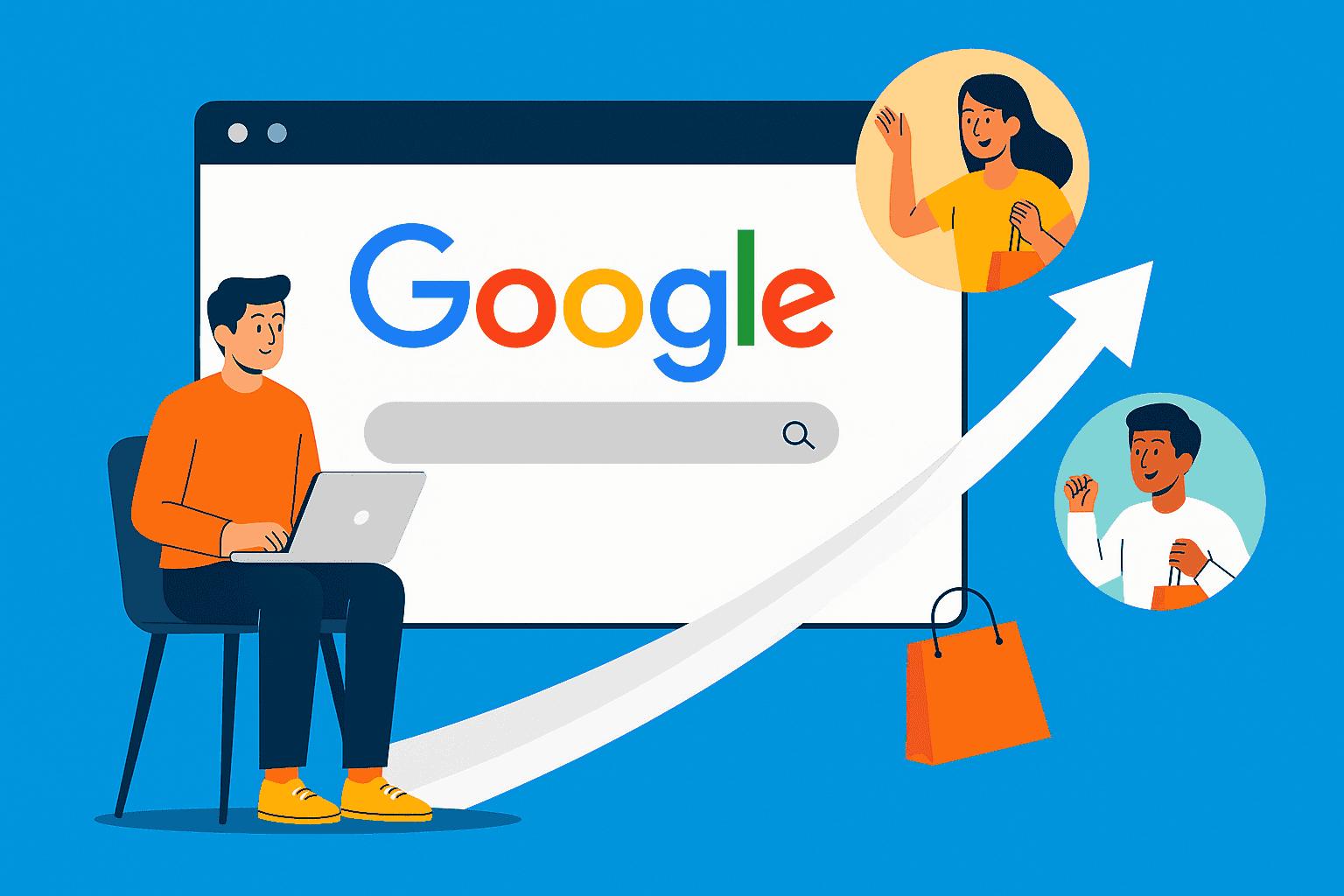
Digital visibility refers to how easily a business can be discovered across relevant online platforms and customer research channels.
These may include:
-
Google Search.
-
Google Maps and local search results.
-
Business websites.
-
Industry directories.
-
Professional networks.
-
Social media platforms.
-
Online publications.
-
Digital advertising.
-
Relevant third-party websites.
-
Online educational resources.
Digital visibility is not simply about appearing frequently online.
It is about being discoverable by relevant audiences when they are researching products, services, suppliers or solutions.
Example
A company manufacturing industrial water treatment equipment may want to appear when potential customers search for:
-
Industrial water treatment equipment.
-
Commercial water filtration systems.
-
Industrial wastewater treatment solutions.
-
Water treatment equipment manufacturers.
-
Water treatment systems for factories.
Visibility for these searches may be more commercially valuable than visibility for unrelated, high-volume topics.
The quality and relevance of visibility matter more than exposure alone.
2. Digital Visibility vs Digital Presence: Understanding the Difference
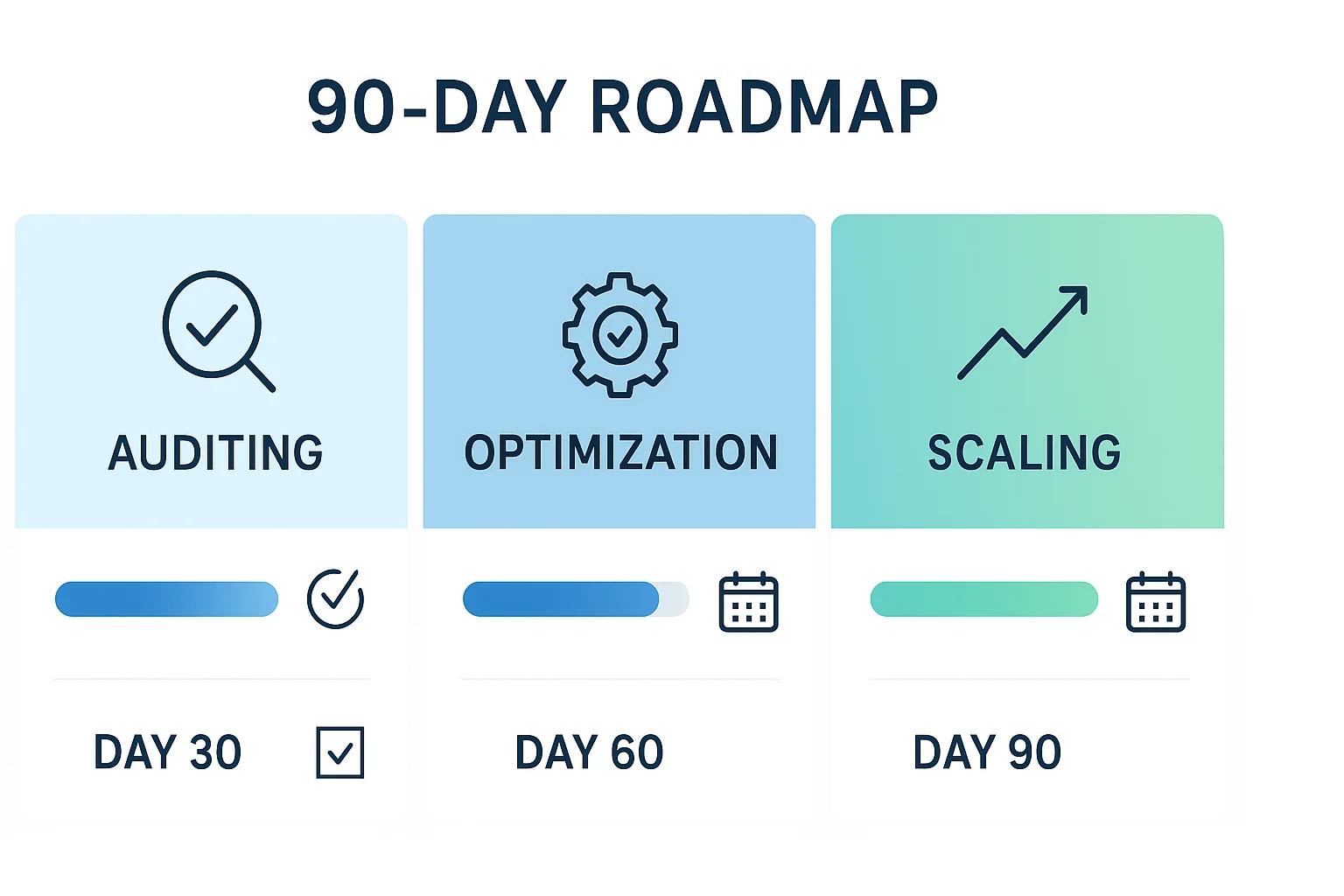
Digital presence and digital visibility are related, but they are not identical.
A business establishes a digital presence by creating online assets such as a website, social media profiles and business listings.
Digital visibility describes how effectively those assets are discovered by relevant audiences.
| Digital presence | Digital visibility |
|---|---|
| Having a business website | Appearing for relevant customer searches |
| Creating a LinkedIn company page | Being discovered by relevant professional audiences |
| Publishing product information | Making products discoverable through appropriate searches |
| Creating a business listing | Appearing for eligible local business searches |
| Publishing articles | Reaching people researching related questions |
| Maintaining online company information | Making accurate information accessible across relevant platforms |
A company can have an established digital presence but limited visibility.
For example, a business may have a professionally designed website that receives visits almost exclusively from existing customers.
That website supports the company's identity but may contribute little to discovering new customers.
3. Why Digital Visibility Matters for Business Growth
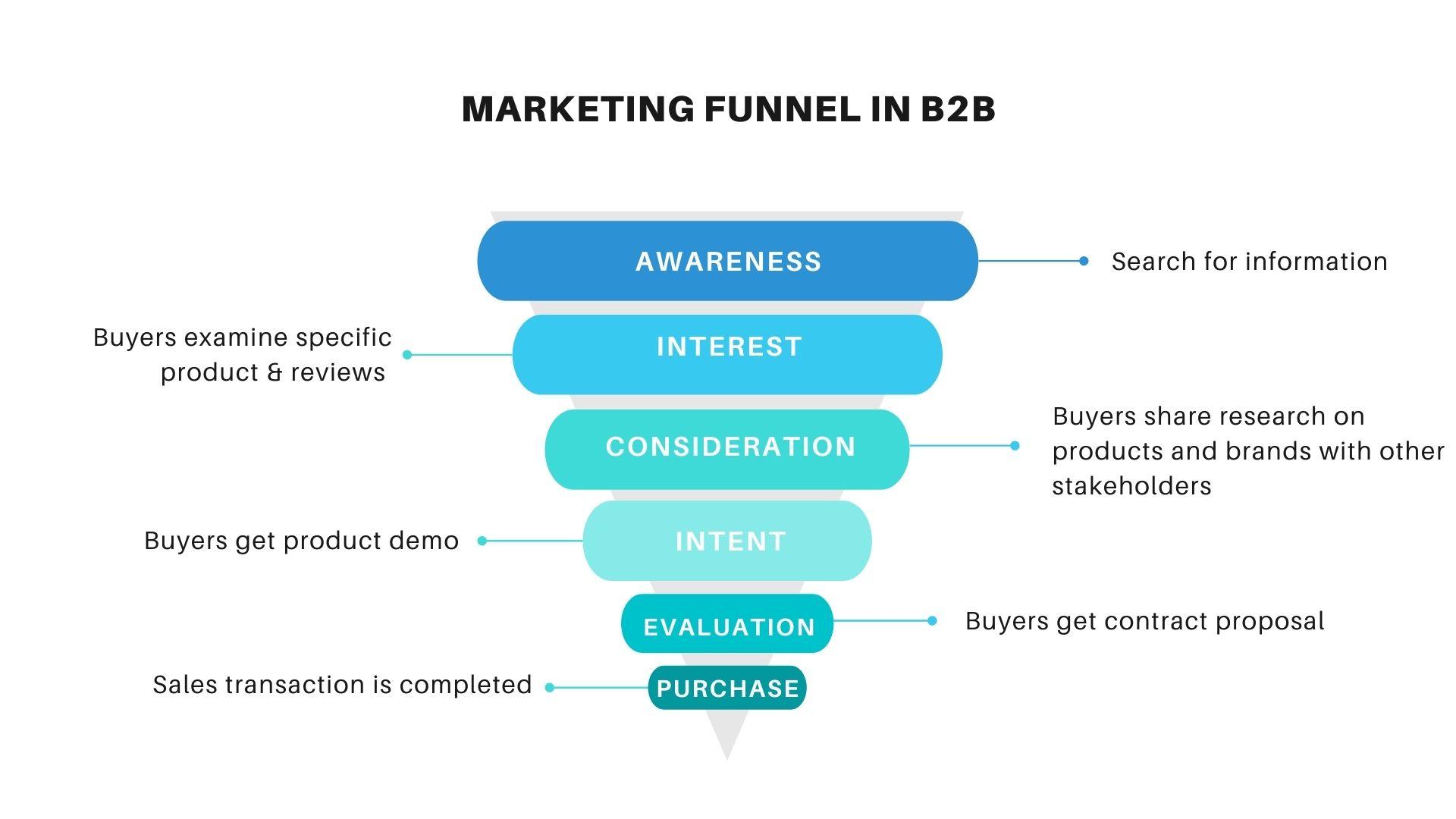
Digital visibility can influence several stages of business growth.
It may help businesses:
-
Reach potential customers outside existing professional networks.
-
Become discoverable during customer research.
-
Communicate products and services more effectively.
-
Establish familiarity with relevant audiences.
-
Support customer trust and supplier evaluation.
-
Generate additional commercial enquiries.
-
Enter new geographic markets.
-
Support existing sales representatives.
-
Reduce dependence on a single customer acquisition channel.
-
Improve the measurement of digital customer interactions.
However, the impact depends on whether visibility reaches suitable customers and whether the business can convert relevant interest into commercially sustainable relationships.
Business growth is not determined by visibility alone
A company appearing prominently for irrelevant searches may receive significant website traffic without generating suitable customers.
Another company with lower traffic but stronger commercial relevance may generate more meaningful opportunities.
Digital visibility should be evaluated in relation to business outcomes rather than treated as an isolated marketing objective.
4. How Digital Visibility Influences the Customer Acquisition Journey
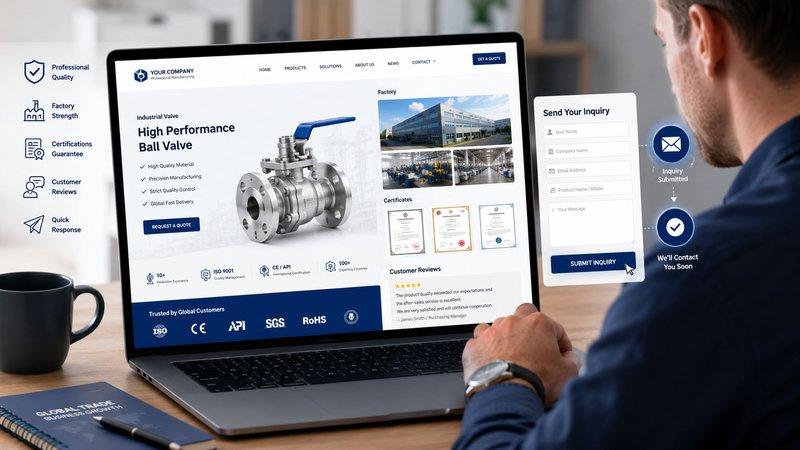
Customer acquisition rarely begins at the moment someone submits an enquiry.
Many customers conduct research before contacting a supplier or service provider.
Example customer journey
| Stage | Customer activity | Role of digital visibility |
|---|---|---|
| Problem recognition | Identifies a business requirement | Helpful information introduces possible solutions |
| Research | Searches Google for information | Relevant content becomes discoverable |
| Solution evaluation | Compares available approaches | Product and service information supports understanding |
| Supplier discovery | Identifies potential providers | Commercial search visibility introduces businesses |
| Shortlisting | Reviews several companies | Credibility and capabilities influence consideration |
| Enquiry | Requests a quotation or consultation | Website supports customer communication |
| Negotiation | Discusses commercial requirements | Sales team manages the opportunity |
| Purchase | Selects a supplier | Commercial and operational factors determine the decision |
Digital visibility can support multiple stages of this process.
A business that becomes discoverable only after a customer already knows its name may miss opportunities earlier in the purchasing journey.
5. The Relationship Between Digital Visibility and Customer Demand
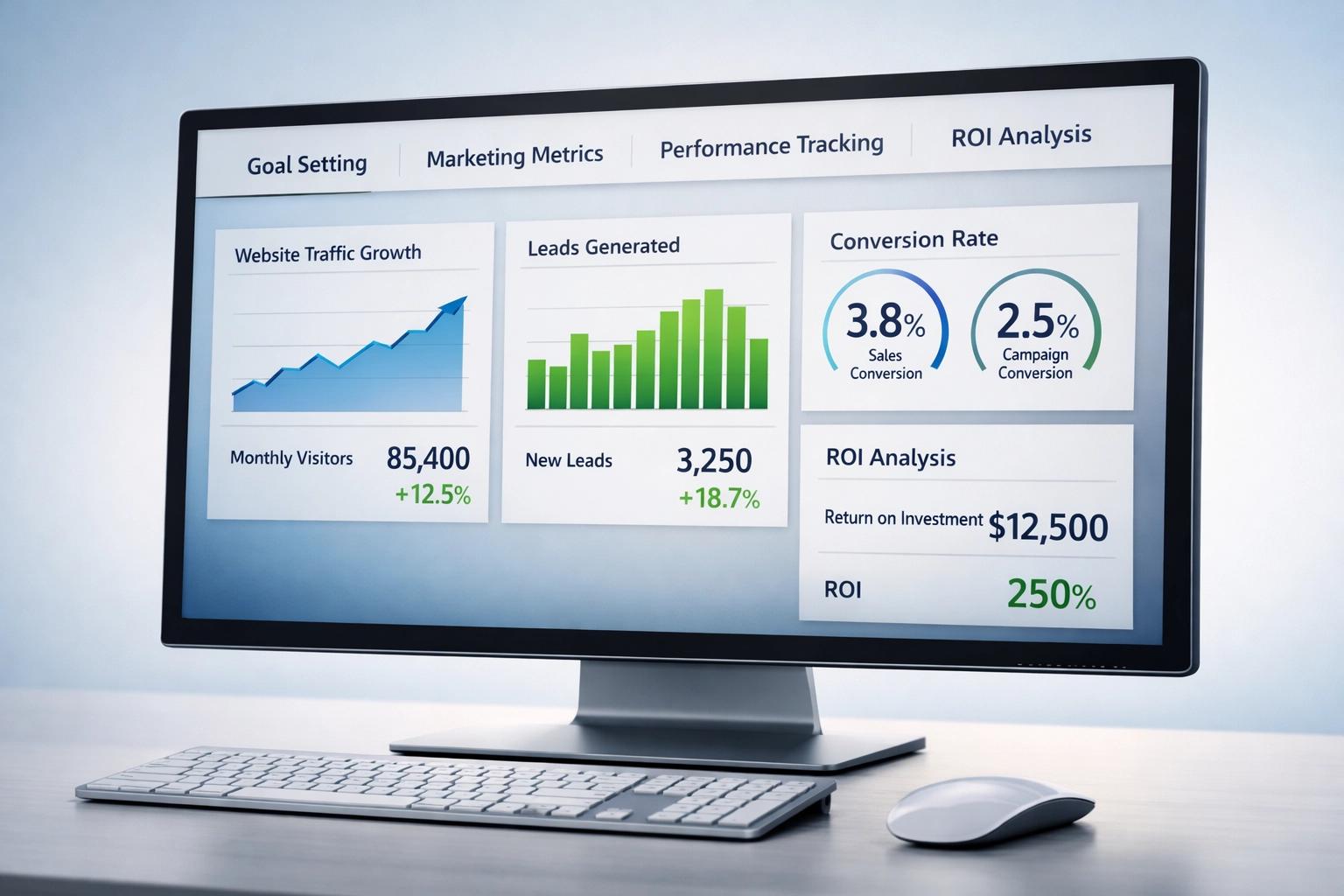
Digital visibility is most useful when it connects the business with genuine market demand.
A company cannot assume that increasing online exposure will automatically create demand for every product or service.
Some customers actively search for suppliers.
Others may not recognise their requirements until they encounter useful information.
Two important demand categories
Existing demand
Customers already know what they need and search for suitable products, services or suppliers.
Example: "Industrial packaging manufacturer in India."
Developing demand
Customers are researching problems or potential solutions but may not yet be ready to select a supplier.
Example: "How to reduce packaging damage during export shipping."
A balanced content strategy can address both categories.
Commercial pages support supplier discovery, while educational resources help customers understand relevant problems and solutions.
6. Why Google Search Is Important for Business Visibility
Google provides a way for customers to discover information without already knowing the company offering it.
This is particularly relevant for businesses that depend heavily on personal referrals or traditional sales networks.
Example
A manufacturing company may receive most orders through distributors and existing relationships.
However, procurement managers from other regions may search online for relevant manufacturers.
If the company's website provides accurate product information and appears for appropriate searches, those buyers have another way to discover it.
Important Google visibility opportunities
Organic search results.
Relevant local search results.
Product and service searches.
Industry-specific information searches.
Commercial research queries.
Brand-related searches.
Appropriate paid search placements.
Different search features have different eligibility requirements and ranking mechanisms.
A comprehensive strategy should focus on the search opportunities most relevant to the company's customers.
7. Digital Visibility Can Reduce Dependence on Traditional Customer Acquisition
Many established businesses rely on:
Personal recommendations.
Professional networking.
Field sales.
Distributors.
Trade exhibitions.
Existing customers.
Business referrals.
These channels can remain valuable.
However, depending on only a few acquisition methods may limit the company's ability to reach new customer segments.
Illustrative customer acquisition mix
| Channel | Before digital expansion | After digital expansion |
|---|---|---|
| Referrals | 60% | 35% |
| Field sales | 30% | 25% |
| Organic search | 5% | 20% |
| Paid digital campaigns | 0% | 10% |
| Professional digital outreach | 5% | 10% |
| Total | 100% | 100% |
These percentages are hypothetical.
The example illustrates how additional digital channels could diversify acquisition sources.
A diversified strategy may reduce concentration risk, but each channel should be assessed for customer quality, cost and sustainability.
8. How Digital Visibility Influences Brand Credibility
Customers often evaluate a business before making direct contact.
They may review:
-
Company website.
-
Product information.
-
Professional profiles.
-
Office and manufacturing locations.
-
Customer feedback.
-
Relevant certifications.
-
Published resources.
-
Case studies.
-
Industry experience.
-
Contact information.
A business with accurate and accessible information may be easier to evaluate than one with little publicly available detail.
However, visibility and credibility are not interchangeable.
A highly visible company can still provide misleading information.
Trust should be established through genuine evidence, accurate claims and reliable business practices.
Practical credibility improvements
Use original photographs of facilities and products.
Explain actual business capabilities.
Maintain accurate contact information.
Publish verified certifications.
Provide relevant case studies with appropriate permission.
Correct outdated information.
Avoid unsupported claims such as guaranteed results or being the best company in an industry.
9. Why Digital Visibility Matters for B2B Companies
B2B customers may have complex purchasing requirements and longer decision-making processes.
They often need to evaluate technical specifications, commercial suitability, supplier capabilities and organisational reliability.
Digital visibility can help these customers find relevant information before contacting the sales team.
B2B visibility opportunities
| Business type | Relevant digital discovery opportunities |
|---|---|
| Manufacturers | Product categories, technical specifications and industry applications |
| Corporate consultants | Professional services and regulatory information |
| Software companies | Business problems, implementation requirements and technical capabilities |
| Renewable energy companies | Commercial solar solutions and industrial applications |
| Logistics companies | Distribution capabilities and industry-specific requirements |
| Medical device companies | Product information and institutional procurement resources |
| Professional service providers | Relevant expertise and educational resources |
| Industrial suppliers | Product specifications, sourcing and quotation information |
The objective is to reach relevant business decision-makers, not simply maximise general website traffic.
10. How Digital Visibility Supports Geographic Business Expansion
Traditional expansion often involves additional field sales representatives, distributors or physical infrastructure.
Digital visibility can help businesses research and test demand in new markets before committing to larger operational investments.
Example
A manufacturer based in Delhi NCR wants to reach customers in Gujarat and Maharashtra.
The company may improve its website information, communicate genuine service capabilities and evaluate relevant search demand.
Potential buyers from these markets can discover the company's offerings and initiate enquiries.
However, online visibility does not eliminate the need for suitable delivery, support and commercial capabilities.
Important geographic SEO considerations
Provide accurate business locations.
Explain genuine service coverage.
Use relevant location information where useful.
Avoid fictitious office addresses.
Do not create large numbers of substantially identical city pages.
Ensure that geographic claims reflect actual operational capabilities.
11. The Role of SEO in Improving Digital Visibility
Search engine optimisation helps businesses improve the accessibility, relevance and discoverability of their websites in organic search.
SEO includes several interconnected activities.
Technical SEO
Improve website crawling, indexing, architecture, internal linking and technical performance.
On-page SEO
Develop accurate titles, headings, page information and content aligned with relevant search requirements.
Commercial keyword research
Identify how potential customers search for relevant products and services.
Content development
Publish useful information addressing genuine customer needs.
Website architecture
Organise products, services and resources into logical categories.
Local SEO
Support accurate geographic discoverability where relevant.
International SEO
Address suitable international market and language requirements.
Legitimate online recognition
Develop relevant professional and editorial visibility without manipulative link-building practices.
SEO should be treated as a continuous process of improving the website's usefulness and accessibility.
Specific rankings, traffic increases and revenue outcomes cannot be guaranteed.
12. Why Website Architecture Influences Online Discoverability
A website containing only a homepage and a few general service pages may not adequately communicate a complex business.
For example, a manufacturer offering multiple product categories may need a more structured website.
Basic structure
Homepage.
About us.
Products.
Contact us.
More detailed structure
Homepage.
About the company.
Product categories.
Individual product pages.
Industry applications.
Manufacturing capabilities.
Technical resources.
Relevant certifications.
Contact and quotation enquiries.
The structure should reflect actual business offerings and customer requirements.
A well-organised website helps customers navigate information and helps search engines discover relevant pages.
13. Improve Digital Visibility Through Customer-Focused Content
Useful content can support customer discovery during the research stage.
However, content should be developed around genuine business questions rather than keyword volume alone.
Examples
| Business sector | Potential content topic |
|---|---|
| Manufacturing | How to Evaluate Industrial Equipment Suppliers |
| Corporate gifting | What Companies Should Consider Before Ordering Bulk Corporate Gifts |
| Renewable energy | How Factories Can Assess Commercial Solar Installation Requirements |
| Software development | What to Review Before Implementing a Custom CRM |
| Logistics | How Manufacturers Can Evaluate Warehouse and Distribution Requirements |
| Healthcare | Important Considerations When Procuring Medical Devices |
| Business consultancy | How Companies Can Prepare for Regulatory Compliance Reviews |
| Real estate | What Businesses Should Assess Before Leasing Commercial Property |
Each article should answer a specific question and provide useful information.
Where relevant, educational resources can link naturally to appropriate commercial pages.
Avoid publishing numerous repetitive articles created only to target minor keyword variations.
14. How Social Media Influences Business Visibility
Social media can help businesses communicate with relevant audiences and maintain professional visibility.
However, different platforms serve different purposes.
May be suitable for B2B companies, professional service providers, corporate consultants and business leaders.
May support visually oriented businesses, consumer brands and selected service industries.
May be relevant for local businesses, community engagement and particular customer segments.
YouTube
Can support product demonstrations, technical explanations, educational resources and company communication.
Important consideration
A business does not need to be active on every platform.
Select channels based on customer behaviour, available resources and commercial relevance.
Social media visibility should complement the company's website and broader customer acquisition strategy.
15. Digital PR and Online Brand Recognition
Digital PR can help businesses communicate relevant developments and increase professional awareness.
Examples include:
New manufacturing facilities.
Product launches.
Original industry research.
Business milestones.
Technical innovations.
Professional achievements.
Industry participation.
Relevant corporate announcements.
Useful publications and interviews.
However, digital PR should not be treated as a method for purchasing artificial SEO authority.
Avoid misleading announcements, fabricated achievements and paid links designed to manipulate search rankings.
Legitimate recognition can support brand discovery and credibility, but the impact on rankings or customer acquisition is not guaranteed.
16. Paid Advertising vs Organic Digital Visibility
Organic and paid visibility can both support customer discovery.
They differ in implementation, cost and sustainability.
| Factor | Organic visibility | Paid visibility |
|---|---|---|
| Main channel | SEO and relevant organic discovery | Search and other paid campaigns |
| Initial results | Usually gradual | Can begin after campaign approval |
| Direct click charges | No direct organic search click charge | Advertising charges apply |
| Ongoing investment | Optimisation and maintenance | Campaign management and media expenditure |
| Long-term potential | May support sustained discoverability | Primarily depends on continued expenditure |
| Audience targeting | Search relevance and content | Campaign targeting and platform capabilities |
| Performance measurement | Search and website analytics | Advertising and conversion analytics |
A suitable strategy may combine both approaches.
However, businesses should evaluate advertising economics carefully and ensure that relevant enquiries can be handled effectively.
17. How Digital Visibility Supports Customer Acquisition
Visibility creates an opportunity for a potential customer to discover your business.
Customer acquisition requires several additional steps.
Digital customer acquisition process
-
A potential customer identifies a requirement.
-
The customer discovers your business online.
-
The customer reviews relevant information.
-
The customer evaluates your capabilities.
-
The customer initiates an enquiry.
-
Your sales team qualifies the requirement.
-
Commercial discussions take place.
-
The customer makes a purchasing decision.
-
Your business delivers the product or service.
A weakness at any stage can limit the commercial impact of visibility.
For example, a website may attract relevant customers but fail to provide a convenient enquiry method.
Alternatively, the website may generate enquiries that receive delayed sales responses.
Digital visibility should therefore be connected to website conversion and sales processes.
18. Digital Visibility Does Not Automatically Generate Qualified Leads
High traffic volumes can create the impression of successful digital marketing.
However, website visitors may have very different intentions.
Some may be researching general information.
Others may be students, competitors, existing customers or people outside the company's serviceable market.
Only a portion may represent genuine commercial opportunities.
Illustrative comparison
| Metric | Website A | Website B |
|---|---|---|
| Monthly website visitors | 20,000 | 5,000 |
| Genuine enquiries | 100 | 75 |
| Qualified leads | 20 | 40 |
| New customers | 3 | 8 |
These figures are hypothetical.
Website B attracts fewer visitors but produces more qualified opportunities and customers.
The example illustrates why business owners should evaluate visibility alongside customer relevance and commercial outcomes.
19. Measure Digital Visibility Using Meaningful Metrics
Management should establish clear reporting that connects digital visibility with business objectives.
Visibility metrics
Organic search impressions.
Relevant keyword visibility.
Non-branded search performance.
Commercial page visibility.
Brand search trends.
Relevant referral traffic.
Engagement metrics
Website visits.
Important page engagement.
Product documentation downloads.
Relevant content interactions.
Acquisition metrics
Genuine enquiries.
Qualified leads.
Consultation requests.
Quotation requests.
Sales opportunities.
New customers.
Financial metrics
Customer acquisition cost.
Customer contribution.
New customer revenue.
Repeat purchase value.
Relevant marketing expenditure.
No single metric explains the complete performance of a digital visibility strategy.
Use a balanced set of indicators.
20. How to Calculate the Potential Financial Impact of Digital Visibility
Businesses can develop financial scenarios using website performance and realistic customer acquisition assumptions.
Hypothetical monthly example
Consider a B2B service company.
| Metric | Current performance | Improved scenario |
|---|---|---|
| Relevant website visitors | 2,000 | 4,000 |
| Genuine enquiry rate | 2% | 2% |
| Genuine enquiries | 40 | 80 |
| Lead qualification rate | 50% | 50% |
| Qualified leads | 20 | 40 |
| Qualified lead closing rate | 20% | 20% |
| Expected new customers | 4 | 8 |
| Average initial customer revenue | ₹75,000 | ₹75,000 |
| Expected initial customer revenue | ₹3,00,000 | ₹6,00,000 |
In this illustrative scenario, doubling relevant website visitors while maintaining conversion rates doubles expected initial customer revenue.
However, actual business outcomes depend on demand, competition, customer relevance, sales performance and operating capacity.
These figures are not forecasts or guaranteed results.
21. Understand Customer Acquisition Cost and Contribution
Visibility should ultimately be evaluated against the economics of acquiring and serving customers.
Hypothetical monthly calculation
Digital marketing expenditure: ₹80,000.
Qualified leads: 40.
New customers: 8.
Average initial customer revenue: ₹75,000.
Total initial customer revenue: ₹6,00,000.
Acquisition expenditure per customer
₹80,000 ÷ 8 = ₹10,000.
Contribution calculation
Assume a 35% contribution margin before marketing expenditure.
Initial customer contribution:
₹6,00,000 × 35% = ₹2,10,000.
Remaining contribution after measured marketing expenditure:
₹2,10,000 − ₹80,000 = ₹1,30,000.
This is not net profit.
Additional expenses, overheads, taxes and customer servicing costs may apply.
The example demonstrates why digital marketing should be assessed using commercial outcomes rather than website traffic alone.
22. How Digital Visibility Influences Long-Term Business Growth
Digital visibility can support business growth beyond immediate enquiries.
Increased market awareness
Relevant audiences may become familiar with the business before they have an immediate purchasing requirement.
Better customer information
Website resources can explain products and services without requiring repeated initial conversations.
Support for sales teams
Sales representatives can share relevant online resources during customer discussions.
Wider geographic reach
Customers from new markets may discover the company independently.
Stronger business credibility
Accurate information can help customers evaluate the company.
More diversified acquisition
Digital channels may reduce dependence on a limited set of existing relationships.
Improved measurement
Online interactions can provide additional information about customer interests and acquisition sources.
The value of these benefits depends on implementation quality and actual business requirements.
23. Digital Visibility for Manufacturing Companies
Manufacturers often possess considerable technical expertise but may have limited online product information.
Important digital visibility opportunities
Detailed product categories.
Individual product pages.
Technical specifications.
Industry applications.
Manufacturing capabilities.
Quality certifications.
Original facility photographs.
Export information.
Quotation request functionality.
Relevant industrial SEO.
Example
A manufacturer producing industrial valves can create useful pages explaining different valve types, materials, pressure requirements and applications.
Potential buyers researching those products may discover the company through relevant searches.
The website should accurately represent actual product capabilities.
24. Digital Visibility for Professional Service Companies
Professional service businesses may rely heavily on networking and recommendations.
A professional digital presence can help relevant customers understand their capabilities.
Useful website information
Areas of expertise.
Services offered.
Professional qualifications.
Relevant industries.
Educational resources.
Business processes.
Contact information.
Appropriate case studies.
Important consideration
Some professions, including chartered accountants, legal practitioners and healthcare professionals, operate under specific advertising and professional conduct requirements.
Digital visibility strategies should comply with applicable restrictions.
Not every promotional technique suitable for an ordinary commercial business is appropriate for a regulated professional service provider.
25. Digital Visibility for B2B and Corporate Service Providers
B2B service providers may target companies rather than individual consumers.
Their websites should address the needs of decision-makers such as:
CEOs.
Managing directors.
Procurement managers.
Marketing directors.
Finance heads.
Operations managers.
Business founders.
Important content requirements
Business problems addressed.
Scope of services.
Implementation processes.
Industry suitability.
Relevant experience.
Project requirements.
Technical capabilities.
Consultation opportunities.
B2B visibility should focus on commercially relevant searches and credible professional information.
26. Digital Visibility for New Businesses vs Established Companies
New and established businesses often have different visibility challenges.
| Area | New business | Established business |
|---|---|---|
| Brand recognition | Limited | May already have offline recognition |
| Website maturity | Often newly launched | May have an existing website |
| Customer relationships | Developing | Established networks |
| Search visibility | Usually limited | May have branded visibility |
| Content resources | Often limited | May possess substantial industry expertise |
| Primary challenge | Establishing initial discoverability | Expanding beyond existing awareness |
| SEO priority | Build relevant foundations | Improve coverage and existing assets |
A new business may need to establish its first digital identity.
An established company may need to make its existing capabilities more discoverable to unfamiliar customers.
Both can benefit from digital visibility, but their implementation priorities may differ.
27. Common Digital Visibility Mistakes Businesses Make
Mistake 1: Assuming a website guarantees Google visibility
A website needs suitable technical foundations and relevant information.
Mistake 2: Focusing only on branded searches
Non-branded visibility can introduce the business to new audiences.
Mistake 3: Targeting irrelevant high-volume keywords
Relevant customer demand matters more than traffic volume alone.
Mistake 4: Publishing generic content
Content should address genuine customer questions.
Mistake 5: Creating excessive location pages
Geographic pages should provide distinct value and represent actual business operations.
Mistake 6: Ignoring technical SEO
Important website pages must be accessible and appropriately indexed.
Mistake 7: Treating social media activity as the entire digital strategy
Different platforms serve different customer discovery purposes.
Mistake 8: Purchasing manipulative backlinks
Focus on legitimate online recognition.
Mistake 9: Measuring success only through impressions
Visibility should be evaluated alongside relevant engagement and business outcomes.
Mistake 10: Ignoring website conversion
Customers need convenient ways to communicate their requirements.
Mistake 11: Failing to connect marketing with sales
Digital enquiries require appropriate qualification and follow-up.
Mistake 12: Expecting immediate revenue growth
Digital visibility strategies require implementation, measurement and ongoing improvement.
28. A Practical 90-Day Digital Visibility Improvement Plan
Days 1–15: Audit existing visibility
Review Google Search Console.
Assess technical website health.
Identify existing commercial visibility.
Review important product and service pages.
Evaluate relevant competitors.
Days 16–30: Establish priorities
Identify commercially important keywords.
Review website architecture.
Prioritise technical improvements.
Document customer information requirements.
Define measurement objectives.
Days 31–45: Improve commercial pages
Update important product and service information.
Improve relevant page titles and headings.
Strengthen internal linking.
Resolve critical technical issues.
Days 46–60: Develop supporting resources
Create original customer-focused content.
Improve industry-specific information.
Update relevant credibility details.
Review geographic information.
Days 61–75: Strengthen customer acquisition infrastructure
Review enquiry functionality.
Connect relevant enquiries with sales processes.
Improve tracking and qualification procedures.
Days 76–90: Evaluate and refine
Review search performance.
Assess relevant customer engagement.
Evaluate enquiry quality.
Identify additional content opportunities.
Prepare the next implementation phase.
The initial 90 days should focus on building reliable foundations and evaluating early progress.
Meaningful organic visibility improvements may require longer.
29. A Six-Month Digital Visibility Roadmap
| Month | Main priority | Intended outcome |
|---|---|---|
| Month 1 | Digital visibility and technical SEO audit | Clear baseline |
| Month 2 | Website structure and commercial page improvements | Stronger website relevance |
| Month 3 | Customer-focused content development | Broader information coverage |
| Month 4 | Relevant brand visibility and industry resources | Improved discoverability |
| Month 5 | Enquiry tracking and conversion improvements | Better acquisition measurement |
| Month 6 | Search performance and commercial evaluation | Evidence-based growth planning |
The roadmap should be adapted to the company's resources, competitive environment and business priorities.
30. How Much Should Businesses Invest in Digital Visibility?
There is no universal investment suitable for every business.
Costs depend on:
Website size.
Technical condition.
Industry competition.
Product and service complexity.
Content requirements.
Geographic markets.
Existing digital capabilities.
Advertising objectives.
Available internal resources.
Illustrative monthly planning scenarios
| Business requirements | Example monthly investment |
|---|---|
| Foundational organic visibility | ₹25,000–₹40,000 |
| Structured SEO and content development | ₹40,000–₹75,000 |
| Competitive B2B digital visibility | ₹60,000–₹1,25,000 |
| Advanced multi-market digital visibility | ₹1,00,000–₹2,50,000+ |
These are hypothetical planning ranges, not verified market averages or formal SEOspade quotations.
Paid media expenditure, website redevelopment and complex technology integrations may involve separate costs.
Investment decisions should be evaluated against customer acquisition economics and operational capacity.
31. How to Choose a Digital Marketing Agency for Business Visibility
A suitable agency should understand the relationship between search visibility, customer requirements and business growth.
Questions to ask
How will you identify our relevant customers?
Which products or services should receive priority?
How will you evaluate existing website visibility?
What technical SEO improvements are required?
How will you identify relevant content opportunities?
What is your approach to legitimate brand visibility?
How will you measure qualified enquiries?
What responsibilities will our internal team retain?
How will you communicate progress?
What outcomes can realistically be assessed during the initial months?
Avoid selecting agencies based only on promised rankings, traffic increases or backlink quantities.
A structured strategy should explain both the activities being implemented and the business reasons behind them.
32. How SEOspade Helps Businesses Improve Digital Visibility
At SEOspade, we help businesses develop stronger online discoverability through technical SEO, website development, content strategy and digital marketing.
Our approach begins with understanding the company's business objectives, existing website performance and customer acquisition requirements.
Digital visibility audit
Evaluate existing search visibility, technical limitations and relevant market opportunities.
Commercial keyword research
Identify relevant customer searches connected to products, services and business requirements.
Technical SEO
Improve website crawling, indexing, architecture, internal linking and technical accessibility.
Website design and development
Create or improve business websites that communicate genuine capabilities clearly.
Content strategy and development
Develop original, customer-focused resources that support relevant search discovery.
B2B SEO
Build organic visibility strategies aligned with corporate purchasing behaviour and specialised business requirements.
Local and international SEO
Support appropriate geographic visibility based on actual business capabilities.
Digital PR and brand communication
Develop legitimate opportunities for relevant professional and industry exposure.
Paid marketing
Plan suitable campaigns where they align with customer acquisition objectives and available budgets.
Analytics and performance measurement
Establish reporting frameworks connecting relevant digital visibility with customer enquiries and commercial outcomes.
Our objective is not simply to increase online exposure.
It is to help businesses become discoverable to relevant customers and make better commercial use of their digital presence.
Conclusion: Digital Visibility Creates Opportunities, but Business Growth Requires More
A business may have excellent products, reliable services and considerable industry expertise.
However, those strengths provide limited value to potential customers who cannot discover the company.
Digital visibility helps bridge the gap between what a business offers and what relevant customers are searching for.
It can support customer research, supplier discovery, brand familiarity and new commercial enquiries.
But visibility is only the beginning.
A successful customer acquisition strategy also requires useful information, credible business capabilities, convenient enquiry processes, effective sales management and commercially sustainable customer relationships.
The objective is not simply to make your business visible to more people. It is to make your business discoverable to the right people when your products or services are relevant to their requirements.
For founders, CEOs and established business owners, improving digital visibility should therefore be considered part of a broader business growth strategy.
If your company wants to improve its Google visibility, strengthen its website, reach relevant customers and develop a measurable digital acquisition strategy, connect with SEOspade to discuss your business requirements.